
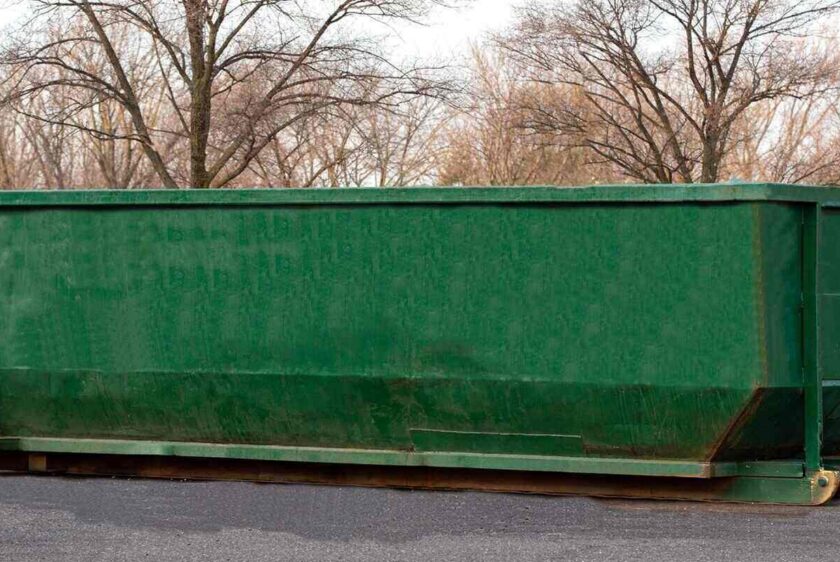
How To Coordinate Dumpster Delivery and Pickup Efficiently

A full dumpster with no pickup scheduled can hold a project hostage. Every hour the container stays full, debris piles up, work stalls, and costs climb. The problem is the same, whether the project is a commercial demo, a whole-house renovation, or a multi-unit turnover.
The difference between a full dumpster and an empty one is a preventable failure in coordination. The fix is to plan the dumpster delivery and pickup schedule around the way the project actually produces waste, not around the date the project happens to start.
Match the Delivery to the Work, Not the Calendar
You’ll want to schedule a roll-off dumpster’s delivery for when the first day the project actually produces debris, not the day the project starts. If the job kicks off with site prep and layout on Monday but demolition doesn’t start until Wednesday, schedule the drop for Tuesday afternoon or Wednesday morning. That adjustment saves two to three days on the rental period and keeps the staging area available for the trades that need it first.
For phased projects with multiple debris-generating stages, plan the pickup and re-delivery around those phases rather than renting one container for the entire project. A gut renovation where demo happens first and framing waste follows produces two distinct volume peaks. Matching the container schedule to those peaks means the dumpster is on-site when you need it and gone when you don’t.
Confirm Site Access and Placement Before the Truck Rolls
Roll-off dumpsters arrive on trucks that need room to operate. The driver has to back in, tilt the bed, and slide the container off, so the delivery path and the placement spot must be clear and accessible before the truck arrives. The truck being turned away because the site wasn’t ready is a wasted trip and a lost day. Before scheduling delivery, lock down three things on the site end.
First, check the delivery path. Roll-off trucks need roughly 60 feet of straight-line space to back in and position for the drop. Overhead clearance matters too. The truck bed tilts to slide the container off, and low-hanging power lines or tree branches can block that operation.
Second, verify the placement surface. A loaded 30-yard dumpster can weigh over 10 tons. Soft ground, fresh asphalt, and unsupported pavement can all fail under that weight. Plywood sheeting under the contact points protects the surface and is a standard requirement for right-of-way placements in Virginia Beach.

Third, check whether you need a permit. If the container sits entirely on private property, most jurisdictions don’t require one. If any part of it sits on a public street, sidewalk, or right-of-way, you’ll likely need a permit. In Virginia Beach, for example, you’ll apply for a right-of-way permit from Civil Inspections, and the review process can take up to seven working days.
The city also restricts construction-related lane closures in the Oceanfront and Sandbridge areas between May and September. Other Hampton Roads cities have their own requirements, so verify the rules for your project location before ordering the dumpster.
Communicate the Fill Rate to Your Hauler Early
A common coordination breakdown is waiting until the container is full to call for a pickup. By that point, debris is stacking up on the ground and creating trip hazards, blocking access around the container, and adding labor to reload loose material into the replacement when it arrives. For contractors with employees on-site, it can also trigger housekeeping violations under OSHA’s construction site standard (29 CFR 1926.25).
To avoid this, track your fill rate instead of your fill level. If a 20-yard container is three-quarters full after two days of demo and you still have three more days of the same work, you can likely update your pickup schedule with your hauler so that the unit is picked up before it’s overfilled.
Your choice of hauler makes a difference in how you respond to a quickly filling dumpster. Waste removal companies across Hampton Roads generally need one to three business days of advance notice to schedule a swap. Some local haulers offer same-day turnaround, meaning an early-morning call gets the container picked up, swapped, or delivered that same day.
Plan the Final Haul Before the Project Wraps
The final pickup is easy to deprioritize. Closeout timelines shift, the last few tasks run longer than expected, and the pickup date that made sense two weeks prior no longer lines up with when the container is actually ready to go. A few extra days of rental because nobody adjusted the schedule adds unnecessary cost to your project.
Schedule the final pickup as part of your closeout plan. Identify the last debris-generating task on the schedule and set the pickup for the day after that work wraps. If the project timeline shifts, you only need to call the hauler with enough lead time for them to adjust the pickup date.
Get Same-Day Dumpster Delivery in Hampton Roads
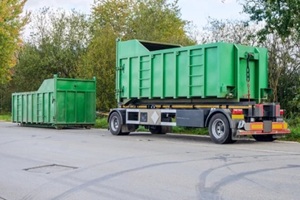
Coordinating dumpster delivery and pickup comes down to planning the schedule around the work and partnering with a hauler who can keep pace with your project. Full Strut Disposal delivers 10-, 20-, and 30-yard roll-off dumpsters across Virginia Beach, Norfolk, Chesapeake, Suffolk, and the surrounding Hampton Roads area with same-day turnaround.
You can adjust the schedule with a single phone call, and you’ll talk with someone local and on-site, not an automated system from a national chain. When you call Full Strut, you’re talking directly to the team that runs the trucks.
Contact Full Strut Disposal at 757-805-5749. If you call by 9 a.m., your dumpster can be there today.


