
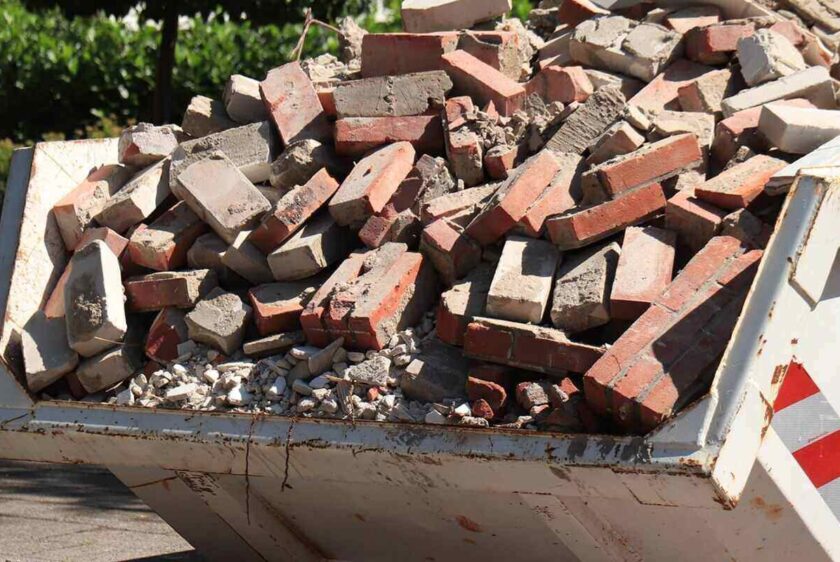
Why Responsible Debris Removal Is Essential for Coastal Cities Such As Hampton Roads
| In This Article: See how responsible construction debris removal shapes coastal city waste management in Hampton Roads, protects local waterways, supports environmental protection goals, reduces flood risk, and keeps safe waste disposal tied to stronger, cleaner, more resilient communities. |
In a coastal region such as Hampton Roads, construction debris removal isn’t just about keeping a site tidy; it’s directly tied to flood resilience, regulatory compliance, and broader environmental protection. Tidal flooding, heavy rainfall, and storm surge turn loose material into mobile debris that can move quickly through streets and into local waterways.
Understanding how coastal city waste management works in this region helps project managers and property owners see the bigger picture. Handling debris responsibly promotes safer public spaces, cleaner surroundings, and stronger protection for the coastal infrastructure that supports daily life in the community.
Why Hampton Roads Is More Vulnerable Than Inland Cities
The persistent tidal flooding in Hampton Roads has made the region a well-known national example of flood-prevention strategies.
Regional research led by the Virginia Institute of Marine Science has documented how frequently roads and neighborhoods experience nuisance flooding. That water doesn’t stay neatly in channels; instead, it spreads across paved surfaces, work sites, and staging areas.
Recent NOAA data adds another layer of complexity to the story. Relative sea level rise at Sewells Point has averaged about 4.7 mm per year, with roughly 2.9 mm per year attributed to land subsidence.
Groundwater withdrawal and geologic processes are among the reasons the land itself is slowly sinking. The result is simple and practical: water reaches construction zones and dumpsters more often than it did decades ago.
When the floodwater rises, loose insulation, plastic wrap, scrap foam, and broken materials don’t remain stationary. They float, scatter around, and slowly migrate toward curb inlets and drainage ditches.
In a coastal setting, that movement can happen outside of major hurricanes; even routine tidal events can mobilize debris.
How Stormwater Systems Carry Debris Straight to Local Waters
In Virginia Beach, stormwater is managed through a municipal separate storm sewer system known as an MS4. The system consists of many interconnected drains, pipes, and ditches that move rainwater away from streets and other paved surfaces.
That system is separate from the sanitary sewer, as whatever enters a storm drain flows untreated to streams, rivers, lakes, bays, or the ocean. As you can see, the link between debris removal and environmental protection becomes obvious at this point.
A windblown fragment or a small pile of mixed waste near a curb inlet can become part of the drainage network within minutes during a heavy rainstorm.
The city’s MS4 permit, reissued for the 2024 to 2029 cycle, includes requirements tied to essential Chesapeake Bay pollutant reduction targets. The permit framework allows the city to prohibit illicit discharges and the dumping of materials, such as trash, into the storm system.
Marine Debris and the Local Economy

Marine debris is not an abstract issue in Hampton Roads. NOAA’s National Ocean Service has documented how debris harms wildlife through entanglement and ingestion, and larger items can crush or smother sensitive habitats.
The community impacts are just as real: littered beaches discourage tourism, and cleanup efforts demand public resources. When construction waste becomes storm debris, the costs ripple outward.
Environmental protection in this region begins upstream. Preventing material from entering the stormwater network is one of the most direct ways to reduce the chance that it becomes marine debris.
Disaster Debris Planning Is Part of Sustainable Debris Management
Coastal cities must plan for storm debris solutions well before a major event. Current EPA guidance on natural disaster debris emphasizes staging, segregation, and safe processing of different waste streams.
Flood events create mixed debris, where soaked drywall, contaminated insulation, vegetative waste, and household materials often end up together. Temporary debris management sites are used to sort and process material, but they also carry risks.
Large piles of vegetation can combust under certain conditions; scrap tires can attract mosquitoes after storms.
Sustainable debris management in Hampton Roads means thinking ahead. It means working with vendors who understand segregation, routing, and safe waste-disposal pathways so that post-storm cleanup does not create secondary hazards.
What Responsible Construction Debris Removal Looks Like in a Coastal City
In flood-prone areas, standard jobsite practices need an extra layer of discipline. These are habits experienced crews rely on to reduce risk:
| Coastal Jobsite Practice | Why It Matters in Hampton Roads |
| Place dumpsters away from curb inlets and low spots | Reduces the chance that floating debris enters the MS4 during nuisance flooding |
| Keep containers closed when not loading | Wind and tidal water mobilize light materials quickly |
| Avoid overfilling roll-off dumpsters | Loose material at the rim becomes windborne, then stormwater-borne |
| Schedule pickups ahead of heavy rain or nor’easters | Limits the time debris sits exposed during flood windows |
Construction stormwater regulations in Virginia, including the general permit framework under 9VAC25-880, reinforce these practices. Sites are expected to control runoff and prevent pollutants from leaving the property, and debris control is part of that equation.
The presence of regulated materials adds another layer of responsibility, including EPA asbestos inspection requirements that must be met before certain demolition operations can proceed.
Regulated waste needs separate handling rather than placement in a mixed dumpster. The proper screening and disposal of materials help protect public health and prevent project delays.
Protecting Projects and the Community in Hampton Roads
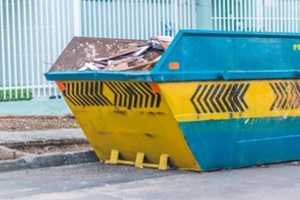
Hampton Roads debris services operate in an environment shaped by sea level rise, subsidence, and strict stormwater compliance standards. Responsible construction debris removal supports flood prevention strategies, public safety, and coastal infrastructure protection.
Environmental protection in a coastal city is a shared responsibility. When sites are kept clean and well managed, debris is less likely to become pollution, and that level of professionalism is visible to both clients and the surrounding community.
Responsible debris handling starts with the right partner. Call Full Strut Disposal at 757-805-5749 to request a pickup or contact us online to get a free quote and keep your Hampton Roads project clean while supporting environmental protection and safe waste disposal.


