
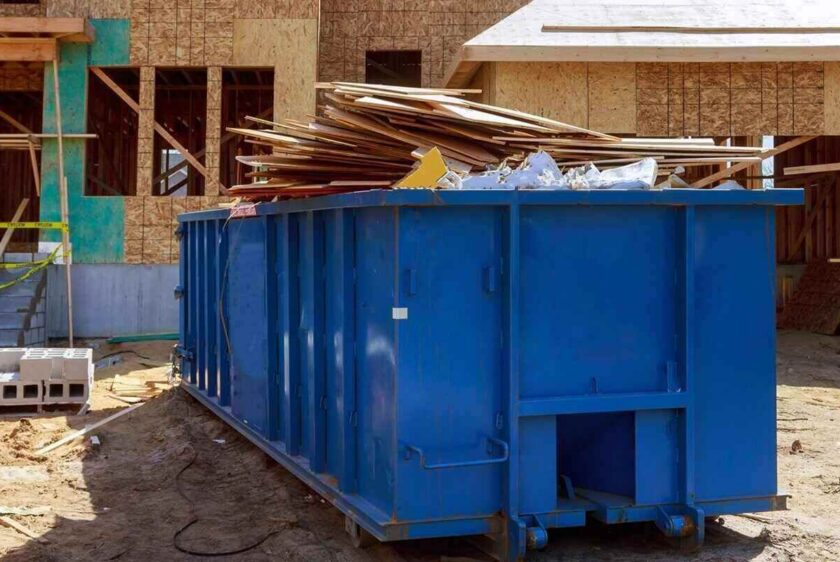
Guide to Separating Recyclable and Non-Recyclable Construction Debris
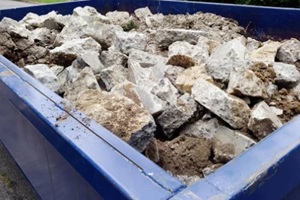
Construction projects generate a surprising amount of waste, and the way you sort it can have a lasting effect on project costs, efficiency, and sustainability. A well-designed plan for recycling construction debris helps keep valuable materials out of landfills, while also making construction waste disposal easier to manage.
Construction and demolition debris reached roughly 600 million tons in the United States in 2018, according to the U.S. Environmental Protection Agency, demonstrating why recycling and responsible disposal matter across the industry.
| In This Article: Every dumpster doesn’t have to become a mixed pile of waste. A few simple sorting habits can help reduce disposal costs, keep job sites cleaner, and make recycling construction materials easier. |
Why Separating Construction Debris Matters
Construction sites produce a wide variety of waste, including concrete, wood, drywall, metals, asphalt, cardboard, brick, plastics, and packaging. Some of these materials can be recycled into new products, while others belong in standard disposal streams or require special handling.
Sorting debris throughout the course of a project supports better construction waste recycling since recyclable materials stay clean and are less likely to become contaminated. Additionally, it also helps crews keep work areas organized, making daily cleanup faster and reducing clutter around active work zones.
Planning ahead makes a real difference. Setting up designated containers before work begins gives crews a simple system to follow throughout the project, reducing confusion as debris accumulates.
Common Types of Recyclable Construction Debris
Many construction materials can be recycled easily when they are properly sorted and kept free of heavy contamination.
Some common examples of recyclable construction debris include:
- Concrete and asphalt that can be processed into aggregate for future construction projects
- Steel, copper, aluminum, and similar scrap metals often accepted for recycling
- Clean, untreated lumber that may be reused or processed into mulch or engineered wood products
- Brick, block, and masonry materials often suitable for crushing and reuse
- Cardboard packaging from building materials and equipment deliveries
- Drywall and gypsum products, where accepted by local recycling facilities
Keeping these materials separated during demolition, remodeling, or new construction makes recycling much easier once the dumpster is hauled away.
Materials That Should Stay Out of Recycling Loads
Not every item generated on a job site belongs in a recycling container. Mixing unsuitable materials with recyclable ones can contaminate an entire load.
Materials commonly excluded from recycling include:
- Treated, painted, or chemically coated wood
- Food waste and everyday trash
- Wet insulation
- Solvents, fuels, paints, and other hazardous materials
- Oily rags and flammable liquids
- Asbestos-containing materials and lead-contaminated debris
Checking local disposal requirements before loading a dumpster helps avoid rejected loads and keeps projects moving without unnecessary delays.
Smart Construction Dumpster Waste Sorting Tips
Effective sorting of construction waste for dumpsters begins before demolition or construction ever starts. A simple waste management plan gives everyone on site clear expectations about where materials belong.
Label dumpsters or collection areas with the type of material they should receive. Placing containers close to work areas encourages crews to use them correctly instead of tossing everything into one pile.
Projects can benefit from adjusting collection methods as work progresses. Framing may generate large amounts of wood, while finishing work creates more drywall and packaging waste. Matching containers to each phase helps keep recyclable materials separated with less effort.
Crew communication matters, too. A short conversation during daily meetings can remind workers which materials belong in each container and can reduce accidental contamination.
How Better Sorting Supports Job Site Efficiency
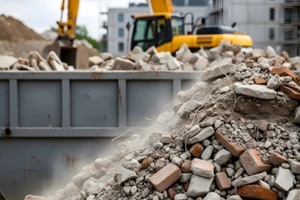
Effective waste management on construction sites isn’t only about environmental responsibility. Organized debris collection keeps work areas cleaner, reduces tripping hazards, and makes dumpster loading more efficient.
Clean recycling streams may also reduce disposal expenses where local facilities offer lower tipping fees for recyclable materials. Fewer contaminated loads can help projects avoid unexpected disposal issues while supporting sustainable construction practices.
Property managers overseeing renovations and contractors managing multiple crews often find that organized waste collection keeps projects running with fewer interruptions throughout the cleanup process.
Supporting Construction Debris Removal with the Right Dumpster
Successful construction debris removal starts with having enough space to collect materials as work progresses. Renting the appropriate roll-off dumpster provides crews with a dedicated location for debris and makes it easier to separate recyclable materials from general waste.
Full Strut Disposal provides reliable roll-off dumpster rentals throughout the Virginia Beach area with competitive pricing and same-day service when available. Having the right container delivered when you need it makes cleanup easier, keeps projects organized, and supports responsible construction waste disposal throughout the entire project.
If you’re planning a renovation, demolition, or commercial construction project, contact Full Strut Disposal to request a quote for a roll-off dumpster rental. Our team can help you choose the right container size so your job site stays clean, organized, and ready for every phase of the project.


