
Dumpster Rental for Storm Debris Cleanup
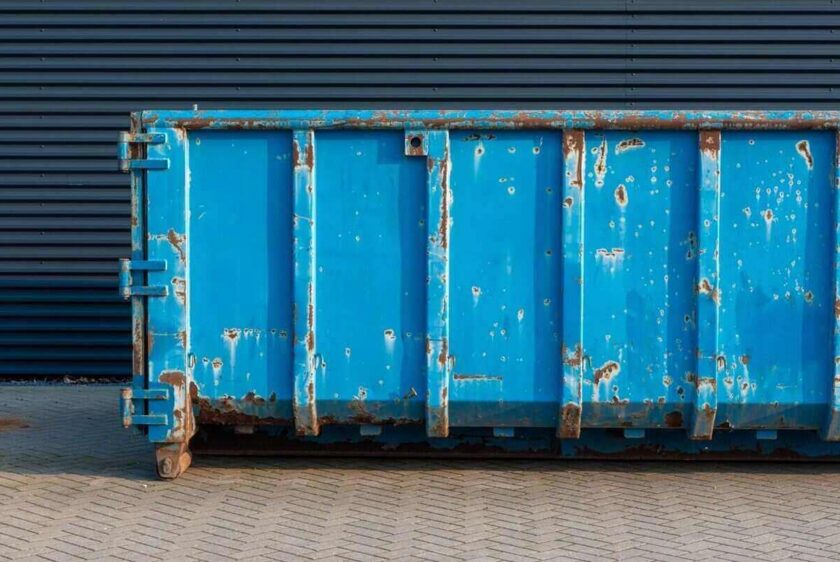
After high winds and flooding hit Hampton Roads, cleanup involves more than yard waste, with limbs and shingles on the ground next to fence sections and waterlogged drywall. With a dumpster rental for storm cleanup, you load that material into one container on your lot and skip the repeated drives to the landfill.
Curbside Pickup Has Limits After a Major Storm
Virginia Beach Public Works picks up one 4-by-4-by-4-foot limb pile a week, set out by 7 a.m. and 3 feet clear of mailboxes and poles. No limb in that pile can be thicker than 6 inches. Leaves go in clear bags, 25 at most, none over 25 pounds. Cutting up one downed oak can produce weeks of piles.
Under the same rules, a private contractor has to dispose of whatever its own work creates. Ask the tree service or roofer who is hauling it before the job begins. If the crew has no disposal of its own, you can rent a roll-off for them to load as they cut, an open-top steel container delivered on a tilt-frame truck.
The yard waste container Virginia Beach rents to residents measures 13 by 7 by 5 feet and is meant for vegetation from routine upkeep around the house. Building materials, stumps, and contractor debris are off its list, so a storm pile with siding or drywall needs a private roll-off.
Time the Delivery Around Road Clearing and Damage Photos
In the first days after a storm, crews focus on rights-of-way and easements. The Virginia Beach Office of Emergency Management (OEM) leaves private property to residents and businesses, down to debris in a backyard canal, and asks owners to wait on contractors until the city finishes.
After an Enhanced Fujita Scale 3 (EF-3) tornado crossed 4.5 miles of Great Neck on April 30, 2023, from the Lynnhaven River to Fort Story, the city closed neighborhood roads for debris removal. It also suspended bulky item pickup for the week of May 1 so those trucks could help. Nine homes were destroyed, and 36 more were left uninhabitable.
Set your delivery for after the street reopens. The driver backs in with the container on a tilted frame, and a tree across the curb can block the approach, so mention any obstruction when you book.
OEM tells residents to keep photos and a running list of what they haul off for insurance and aid paperwork. Once a damaged item has gone to the landfill, an adjuster has little left to verify.
Size the Container by Weight as Much as Volume
Tangled branches hold a lot of air, so with a storm brush you’ll usually reach the top of the container well before the load nears its weight allowance. Cut limbs short and lay them in the same direction to pack more into each haul. You can choose between 10-, 20-, and 30-yard containers.
Waterlogged drywall, carpet pad, insulation, and asphalt shingles are heavy enough that you can hit the weight limit with plenty of open space left at the top. With a roof tear-off plus interior water damage, describe the materials when you order rather than the home’s square footage.
Property managers running storm debris cleanup on commercial properties with several buildings can set one container beside each building or run a single larger one on a scheduled swap. Waste then goes from the work area straight into a bin instead of sitting in tenant parking for days.
Prepare the Drop Zone Before the Truck Arrives
Pavement is a better spot for a roll-off than a lawn that has been flooded. Soft grass can rut under the truck, and a loaded container can settle into it. Plywood beneath the rails protects a driveway’s surface.
Before delivery, walk the truck’s route and look up. Low or sagging cable and phone lines and hung-up limbs overhead are the usual problems, since the bed tilts up during unloading. The city’s storm instructions say to treat every downed electrical wire as live and to report it to Dominion Energy at 866-366-4357.
Street or sidewalk placement generally needs a right-of-way permit. Each Hampton Roads city handles its own application, so call yours before picking a delivery date.
Separate What Goes In From What Stays Out
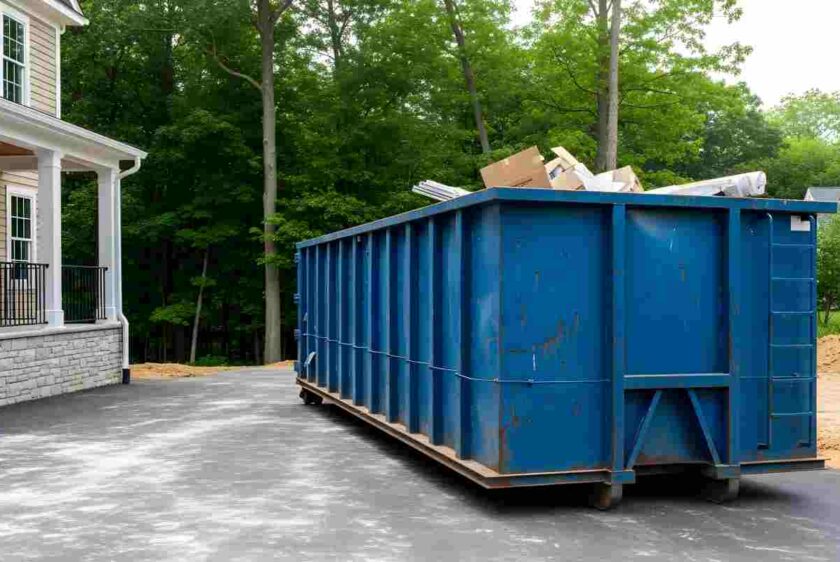
Virginia’s Department of Environmental Quality (DEQ) put out a 2024 storm flyer asking residents to sort debris into six piles. Vegetation and construction and demolition material typically go into a roll-off, within the hauler’s rules.
DEQ files paint, cleaners, pesticides, batteries, and propane tanks under household hazardous waste, and a standard dumpster generally can’t take them. Virginia Beach residents can ask the city’s Landfill and Resource Recovery Center on Jake Sears Road about drop-off options.
Environmental Protection Agency (EPA) rules make the last person in the disposal chain of a refrigerator, freezer, or window air conditioner responsible for recovering its refrigerant. Some localities may not haul one away until that step is done.
Debris left loose at the curb can wash into storm drains and into the Lynnhaven and Elizabeth rivers after the next heavy rain. Getting it into a roll-off as you clear keeps more of it out of local waterways and off the beach.
Book a Storm Cleanup Dumpster With One Call
Our Virginia Beach-based team brings 10-, 20-, and 30-yard roll-offs to homeowners, contractors, and businesses across Hampton Roads, on a schedule or on call.
Let our dispatcher know what came down and how much is wood versus building material, and we’ll suggest a size that suits the job. For mostly limbs and brush, one of our yard waste containers may be the better fit. Contact us online or call 757-805-5749 to schedule storm debris removal once your street is open.


