
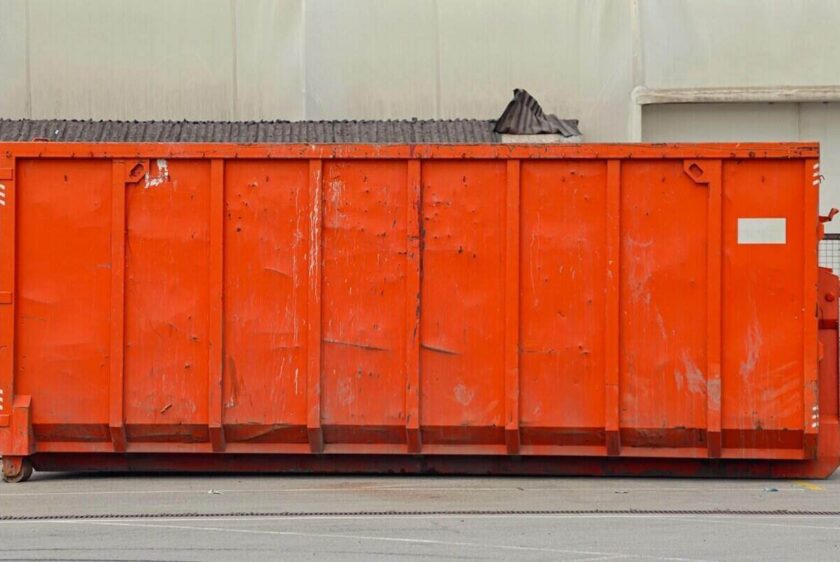
How to Rent a Dumpster: A Complete Guide
Knowing how to rent a dumpster in Hampton Roads mostly means sorting out a few details before you call. The dispatcher will ask about size, placement, contents, and how many days you need it, and price the job from there.
Estimate Your Debris Before You Call
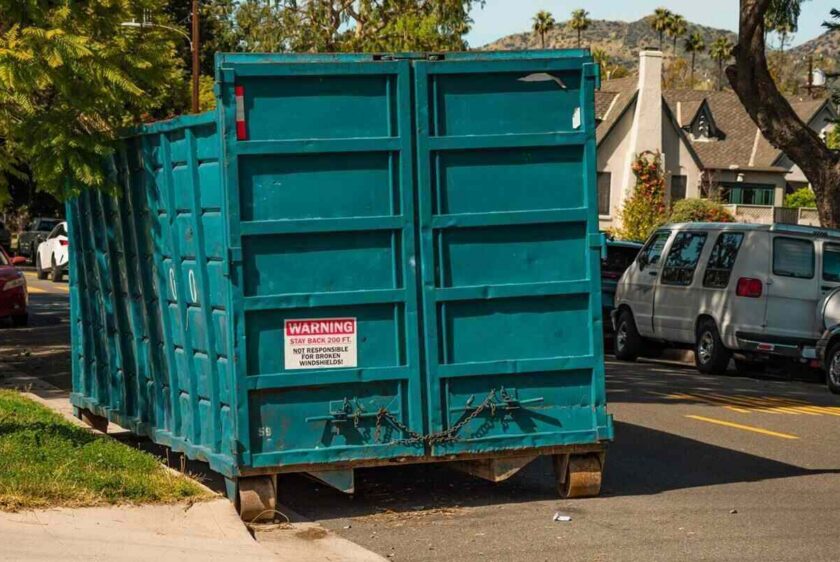
Before you ask for a price, get a rough handle on what you’re tossing, how much of it there is, and how long the job will take.
What you’re tossing matters because some debris is heavy and some is just bulky. Fill a container with old shingles, concrete chunks, or soggy soil, and you can hit the weight allowance with the top half still empty. Couches, cabinets, and rolled carpet are the reverse, and you’ll usually run out of room first.
Volume is easier to judge with a tape measure. Container sizes are quoted in cubic yards, and one of those equals 27 cubic feet (a 10-yard roll-off holds 270). Multiply the pile’s length, width, and height, then divide by 27 for a ballpark yardage.
How long the job will take tells you how many days to book. A garage cleanout is usually doable in a weekend. Gutting a kitchen and putting in new cabinets can take weeks. The hauler may charge an extension fee if you go past the rental date, while overbooking means paying for an idle container.
Choose Between a 10-, 20-, and 30-Yard Dumpster
Homeowners often order the 10-yard to clear out a single room, a small bathroom, or a packed garage. Roofers and masons ask for it too. Shingles and concrete are dense enough that a bigger box can’t be filled without going over the weight limit.
Step up to a 20-yard for a kitchen or flooring replacement, a move-out purge, or an estate cleanout. Contractors on full renovations, new builds, and multi-week commercial projects generally use the 30-yard.
When you can’t decide between two sizes, lean toward the bigger one. A second dumpster rental mid-project involves another delivery fee and time lost waiting on the swap.
You can add a few extra bags or a broken chair to your residential trash pickup instead of renting a dumpster. Businesses with steady weekly waste tend to do better with recurring commercial collection.
Check What the Container Can Accept
Household junk, furniture, yard debris, drywall, lumber, and most construction scrap are fair game. Paint, solvents, motor oil, car batteries, and propane tanks are usually off-limits, along with tires, old TVs and computers, and appliances with refrigerant. Haulers and landfills don’t all draw the line in the same place. Ask for a written list when you book.
According to the U.S. Environmental Protection Agency (EPA), leftover paint, oil, batteries, and pesticides count as household hazardous waste, and throwing them out with regular trash can contaminate soil and water. Plenty of Hampton Roads homes and job sites are a short walk from the Chesapeake Bay, a tidal creek, or the Atlantic. Look on your city’s public works or waste management website for drop-off locations and collection dates.
Prepare the Drop Spot Before Delivery Day
Before delivery, walk from the curb to your chosen spot and look up for power lines and low limbs, since the driver tilts the truck bed to slide the container off. Ask the dispatcher how much length and overhead clearance to leave for your size, and move cars, trash cans, and the boat trailer the night before.
On residential jobs, the driveway is the usual spot. Putting plywood under the steel rails helps keep asphalt and pavers from getting scuffed or cracked. Skip the lawn after a heavy rain, when soft ground can rut under that much weight.
If the only open spot is the street or sidewalk, you’re dealing with public right-of-way, and the city has a say in what goes there. Newport News requires authorization before anyone places a stationary object in that space. Norfolk residents apply through the Public Works Right of Way office.
Call your local public works office several days before delivery, since fees, rules, and processing times vary by city. If you have a homeowners association (HOA), check its policy on visible containers too.
Plan the Rental Window Around Your Project
Rental periods and extension terms vary by hauler, and both belong on the quote. Have the container dropped the day before work starts, and your crew can load from the first morning.
If you’re remodeling, ask the dispatcher about pickup right after demolition rather than holding the container until painting. Crews haul most of the debris during tear-out, and an early haul can shave days off the rental.
Load the Container for Full Value
Start with the flat, heavy stuff on the bottom (drywall, plywood, old doors) and fill in around it with smaller debris. Breaking down furniture and cutting long boards to length removes air pockets. If debris sticks up past the top rim, the driver may ask you to take some off before hauling.
Spread concrete, dirt, and shingles across the floor instead of piling them in one corner. A lopsided load is harder to winch level onto the truck.
Ask the dispatcher for the weight allowance on your container size. Haulers may bill an overage fee for anything above it. When the container is full, call for pickup and clear a path before the driver shows up.
Book Your Hampton Roads Dumpster Rental With Full Strut Disposal
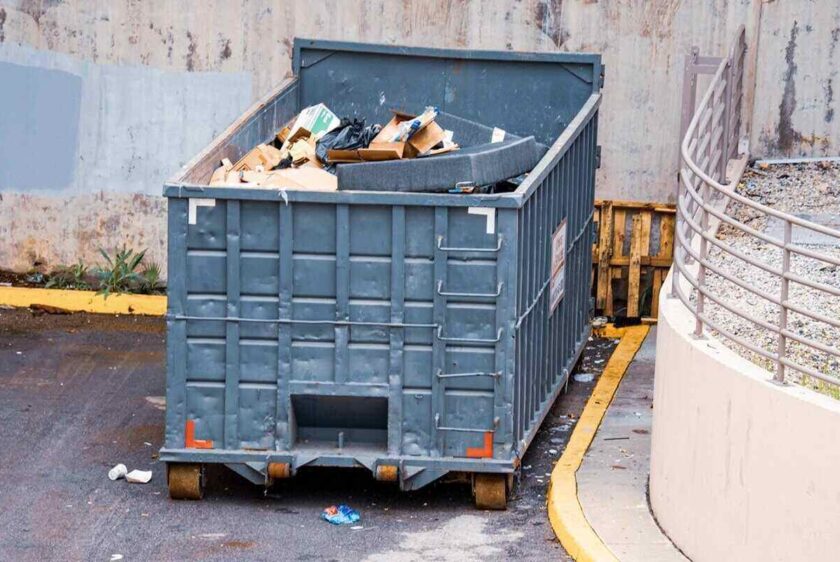
Full Strut Disposal is a Virginia Beach company that delivers 10-, 20-, and 30-yard roll-offs to homeowners, contractors, and businesses across Hampton Roads. Tell our dispatchers what you’re getting rid of and how long the job should take, and they’ll help you choose a size and delivery date.
Our drivers plan their routes around the date you book. You can reach our team online or call (757) 805-5749, Monday through Friday from 7:30 a.m. to 4 p.m., to rent a dumpster.


