
A Landlord’s Guide to Waste Removal Between Tenant Occupancies

A vacant rental continues to create expenses while delaying the income a new tenant could provide.
Properly planning waste removal between tenants early helps landlords and property managers clear abandoned belongings, dispose of debris responsibly, and keep the next stage of the turnover moving.
A well-organized cleanup also makes it easier to spot repairs, schedule contractors, and present a clean, market-ready property to prospective renters.
| In This Article: Preparing a rental for its next tenant requires more than scheduling cleaners after move-out. A clear waste removal plan can prevent common mistakes, reduce downtime, and keep the property moving toward occupancy. |
Start With Documentation Before Removing Anything
The excitement of getting a vacant unit ready can make it tempting to start hauling everything to the dumpster immediately. Taking a few minutes to document the property’s condition first can save time if questions arise later.
Photograph each room, damaged fixtures, abandoned belongings, and areas needing repair before moving items. Recording videos and creating a simple inventory of large furniture or appliances left behind also provides useful documentation for security deposit records and maintenance planning.
Virginia landlords should also understand the state’s requirements regarding abandoned property before disposing of tenant belongings.
Disposal timelines vary depending on how possession of the property was regained, so it’s worth confirming legal responsibilities before beginning any landlord waste removal project.
Sort Waste Before Loading a Dumpster
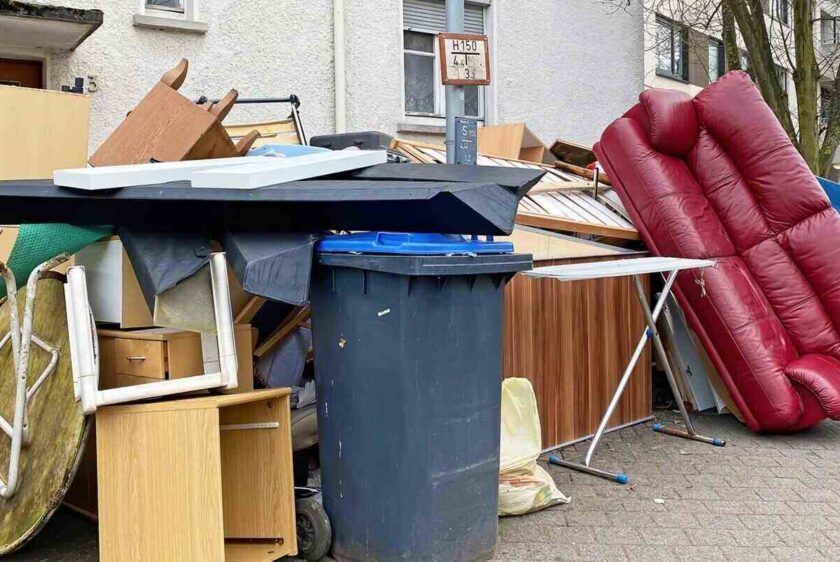
One of the easiest ways to simplify rental property cleanup is to separate materials into categories before loading anything.
Typical tenant turnover debris may include the following items:
- Household trash
- Broken furniture
- Mattresses
- Cardboard boxes
- Clothing and household goods
- Old shelving or cabinets
- Carpet and flooring materials
- Drywall and renovation debris
Sorting items early helps determine what can be donated, recycled, disposed of through standard waste services, or handled separately.
Some materials should never be mixed with ordinary debris. Hazardous materials, including paint, automotive fluids, batteries, propane cylinders, refrigerant-containing appliances, and pesticides, require special disposal methods.
Take the time to confirm local disposal requirements before removing or throwing away any of these items.
Match the Waste Solution to the Cleanup

Every turnover generates a different amount of waste, so selecting the right disposal method helps keep the project organized.
Municipal bulky item pickup may work for a small number of approved household items, although scheduling requirements and material restrictions can limit its usefulness during a busy turnover.
Apartment cleanout services can be appropriate when labor is needed to remove furniture or abandoned belongings. A roll-off dumpster often makes sense when contractors, maintenance staff, or landlords expect debris to accumulate over several days.
Flooring replacement, cabinet removal, drywall repairs, and general property management waste disposal all become easier when workers have one designated location for debris throughout the project.
Coordinate Cleanup With Property Turnover
Removing waste should fit into the overall turnover schedule rather than becoming a separate task.
A typical tenant turnover cleanup often follows this sequence:
- Document the property’s condition.
- Remove abandoned belongings and waste.
- Complete repairs and maintenance.
- Paint or replace flooring if needed.
- Perform deep cleaning.
- Conduct a final inspection.
- Photograph and market the property.
Clearing debris before maintenance crews begin allows contractors to access walls, plumbing fixtures, appliances, and flooring without obstacles slowing their work.
Property managers coordinating several units at once often benefit from scheduling waste removal alongside maintenance calendars so crews aren’t waiting for debris to be cleared before beginning repairs.
Plan Dumpster Placement Before Delivery
Early coordination can reduce the chance of delays once debris removal gets underway.
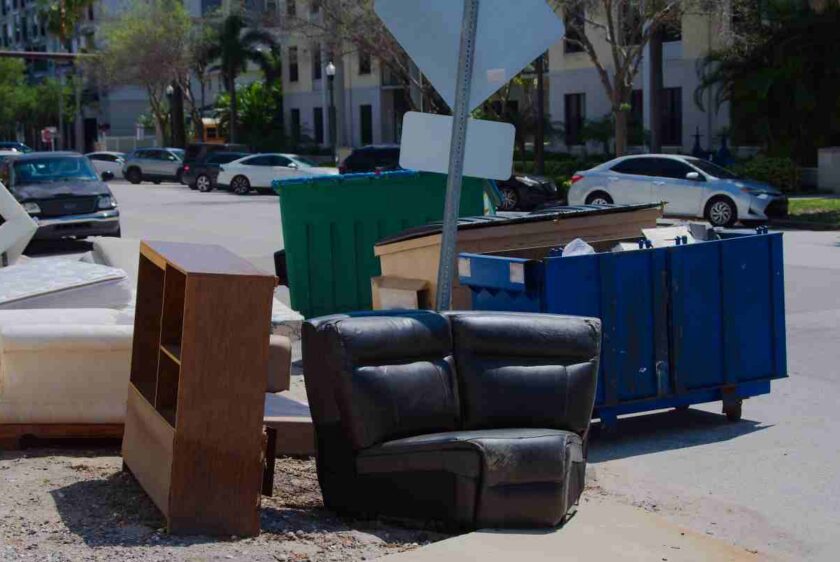
Think about where a dumpster can be placed without blocking driveways, sidewalks, parking areas, or contractor access.
Apartment communities and homeowner associations may also have placement requirements or restrictions. Properties requiring placement on a public street may need local approval before delivery.
It’s also helpful to confirm which materials the dumpster provider accepts before cleanup starts. Knowing those restrictions early helps avoid reloading containers or arranging separate disposal for prohibited items after work has already begun.
Build a Repeatable Turnover Process
Rental property maintenance becomes much easier when every vacancy follows the same basic process.
Creating a standard checklist for documentation, waste sorting, repairs, cleaning, inspections, and marketing helps reduce missed steps between tenants. Consistency also allows property managers to estimate labor needs, schedule contractors efficiently, and prepare units for new occupants with fewer unexpected delays.
Working with a dependable local waste partner can also keep projects moving. Full Strut Disposal provides fast roll-off dumpster rentals and residential trash pickup for larger groups and multifamily properties throughout the Virginia Beach area.
Ready to simplify your next tenant turnover? Contact Full Strut Disposal today or call at 757-805-5749 for fast, reliable waste removal solutions, and request a quote for your next rental property cleanup.


