
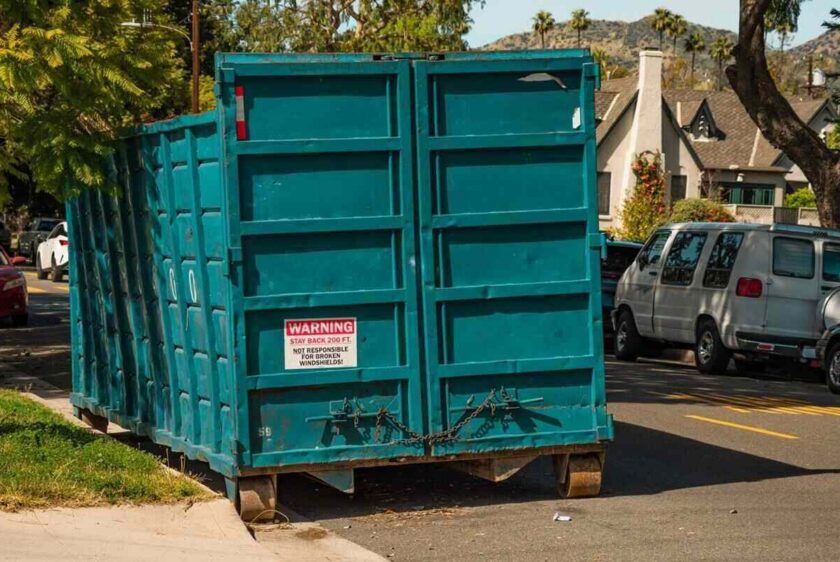
How Improper Debris Storage Creates Safety Risks
Improper debris storage can turn a busy job site, commercial property, or industrial work area into a safety problem.
Loose scrap, broken materials, overflowing waste areas, and poorly placed debris piles can affect how workers move, how equipment operates, and how quickly a property can respond during an emergency.
For contractors, facility managers, and property owners, better construction debris management allows for cleaner spaces, safer routines, and fewer avoidable disruptions.
| In This Article: Small debris problems can grow into major safety issues, and raise concerns about fire, access, and compliance when waste doesn’t have a clear place to go. Smarter storage and prompt removal can help worksites and commercial properties stay organized, safe, and easy to manage in the day-to-day. |
Why Loose Debris Can Make Work Areas More Dangerous

One of the most common debris storage safety risks is the trip hazard that’s sitting in plain sight.
Scrap lumber, loose wires, broken tile, drywall pieces, packaging, metal scraps, and discarded materials can clutter walking paths and create uneven footing. In active work areas, these hazards can be even harder to spot when crews are carrying materials, moving equipment, or working on tight schedules.
The risk should be taken seriously. According to the U.S. Bureau of Labor Statistics, 38.4% of construction deaths in 2022 were due to falls, slips, and trips. While debris isn’t the cause of every incident, cluttered walkways and poor housekeeping can make already hazardous environments harder to control.
Commercial properties have similar concerns. Debris around loading docks, service corridors, parking areas, maintenance rooms, and tenant spaces can create hazards for employees, vendors, visitors, and delivery drivers.
Keeping these spaces clean is an important part of smart property maintenance safety practices and reduces the risk of avoidable hazards.
Poor Construction Debris Management Can Put Crews at Risk
Construction sites are in constant flux. Materials arrive, crews move through different phases, and debris piles can pop up before anyone notices how much space they’re taking up.
Wood with protruding nails, sharp metal, roofing debris, concrete pieces, and demolition waste can create injury risks when they’re left near stairs, doorways, scaffolding, or active work zones.
Under Occupational Health and Safety Administration (OSHA) rules, crews should keep debris and nail-filled scrap lumber out of work zones, walkways, stair areas, and spaces around buildings.
For site supervisors, that means cleanup shouldn’t wait until the end of a project. Worksite debris safety depends on regular removal, clear expectations, and easy access to the right disposal container.
A roll-off dumpster rental gives crews a central place to put debris as work at the site continues. It helps prevent scattered piles, keeps usable space open, and makes cleanup part of the daily workflow.
Combustible Waste Can Increase Fire Risk
Debris storage hazards aren’t limited to tripping and sharp edges. Fire risk rises when combustible materials sit too close to heat sources, electrical equipment, smoking areas, fuel, or hot work.
Materials such as wood scraps, cardboard, paper, pallets, plastic packaging, insulation, sawdust, and oily rags can all contribute to a dangerous situation when they’re poorly stored.
During construction, OSHA expects combustible debris and scrap materials to be removed on a routine schedule. Certain waste, including oily rags and flammable materials, may also need covered containers and separate handling.
Commercial and industrial sites should pay close attention to where waste is stored. Debris shouldn’t block electrical panels, crowd mechanical rooms, sit near heaters, or pile up beside exits. Clean storage areas make it easier to spot hazards before they turn into emergencies.
Blocked Access Points Can Slow Emergency Response
Debris can create serious problems when it blocks the paths people rely on during an emergency.
Areas such as exit doors, stairways, fire lanes, gates, loading zones, hallways, and access roads all need to remain clear. A pile of scrap near a doorway may seem minor during a normal workday, but it can slow people down when every second matters.
Blocked access can also affect emergency responders. Firefighters, medical personnel, inspectors, and utility crews need clear routes into and around the property.
Current OSHA standards require safe walking-working surfaces by keeping passageways clean, organized, sanitary, and clear of hazards that could block or endanger access.
Property managers should treat access points as no-storage zones. Waste should have a designated location that doesn’t interfere with movement, visibility, or emergency response.
Unstable Debris Can Damage Equipment and Property
Debris doesn’t always stay where it’s placed, and uneven piles can shift, collapse, or spill into work paths. Wind, rain, and foot traffic can all make loose materials harder to control.
Sharp debris can puncture tires on trucks, trailers, forklifts, and skid steers. Scrap metal, concrete, nails, and broken materials can damage pavement, doors, siding, landscaping, and finished surfaces.
Crews may also lose time moving the same debris repeatedly because it was stored in the wrong spot the first time.
Following better waste management best practices helps reduce those setbacks. Debris should be contained, separated when needed, and removed before it overflows into active areas.
Some Waste Needs Special Handling
Certain materials require extra care. Paint, solvents, oils, batteries, adhesives, cleaners, electronics, treated materials, and oily rags shouldn’t be tossed into a general pile without checking disposal requirements.
The Environmental Protection Agency notes that improper storage of hazardous materials can lead to spills, leaks, fires, and contamination of soil or drinking water.
There are also broader risks of improper hazardous waste disposal, including environmental damage and possible legal or financial penalties. For contractors and facility managers, it’s essential to know what’s in the debris before deciding where it goes.
Safer Debris Storage Starts With a Plan
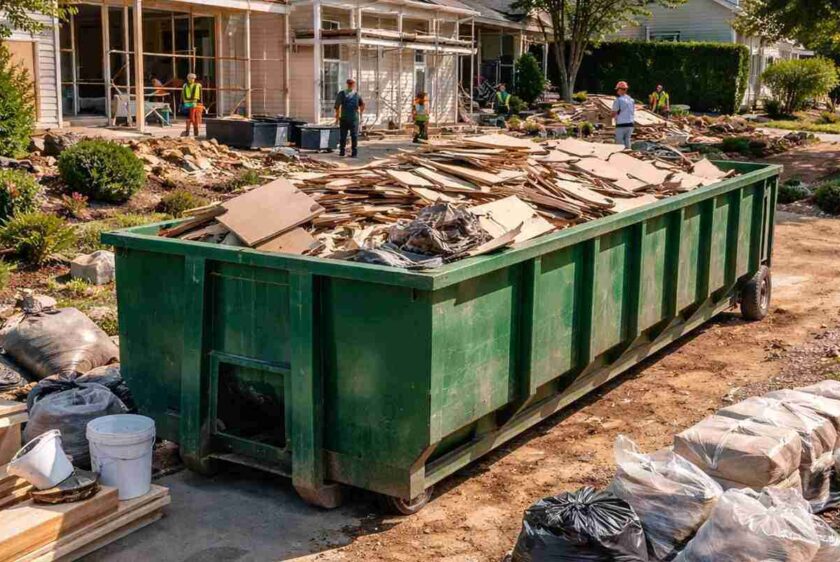
Reducing debris-related risks doesn’t have to be complicated. Start with designated disposal zones away from exits, stairs, fire lanes, equipment, and high-traffic areas.
Keep walkways open, separate materials when needed, avoid overloading containers, and schedule pickups before debris starts spreading across the property.
Improper debris storage can affect safety, access, equipment, compliance, and daily productivity. With the right container and a consistent cleanup plan, your property or job site can stay cleaner, safer, and easier to manage.
When debris starts piling up, Full Strut Disposal is ready to help make removal simple. For commercial debris hauling or a roll-off dumpster rental, contact us by phone at 757-805-5749 or request a quote online.


