
How Local Regulations Affect Construction Waste Disposal in Hampton Roads
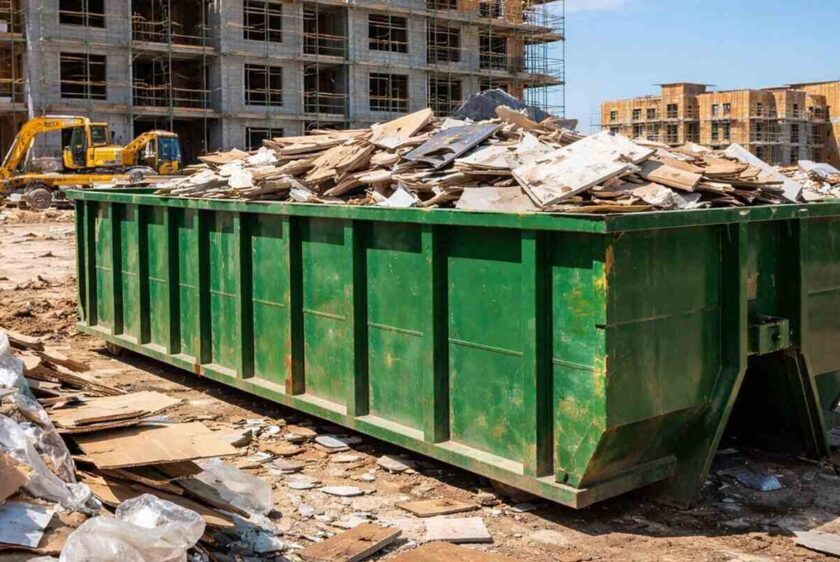
Construction debris removal in Hampton Roads involves far more than loading a dumpster and calling for pickup.
Every jobsite, whether it is a ground-up commercial build in Virginia Beach or a renovation in Hampton, operates within a layered regulatory system. State environmental rules, regional solid waste planning, and local ordinances all influence how debris must be sorted, transported, and disposed of.
Contractors and property owners who understand these rules early avoid rejected loads, unexpected fees, and project delays.
| In This Article: Learn how Virginia’s environmental regulations, Hampton Roads regional planning requirements, and local facility rules directly impact construction debris removal, including sorting standards, approved disposal sites, fees, and how to avoid costly delays or rejected loads. |
Virginia’s Statewide Rules Shape What Facilities Can Accept
The core framework comes from Virginia’s Solid Waste Management Regulations, administered by the Virginia Department of Environmental Quality and used to guide compliance statewide. These rules define what qualifies as a construction and demolition debris (CDD) landfill and what types of waste it may legally accept.
A CDD landfill is a regulated category; it is designed to contain construction waste, demolition debris, split tires, and certain white goods. The permit issued to each facility controls its acceptance criteria. If a load does not match the permit conditions, it can be rejected at the scale house.
Special Wastes Can Shift Your Disposal Plan Overnight
Renovation projects often uncover a wide variety of materials that fall outside standard construction and demolition (C&D) debris. In older structures, asbestos-containing material is among the most frequently encountered examples, often tied to legacy insulation and building products.
Virginia regulations require regulated asbestos-containing material to be disposed of in a designated area of a sanitary landfill or a special-purpose landfill, subject to strict handling conditions.
In practical terms, that can mean:
- Advance coordination with a specific landfill
- Extra packaging and labeling requirements
- Documented chain of custody
- Limited delivery windows
On active jobs, that paperwork and staging can affect sequencing. A container sitting too long because the receiving facility requires prior approval can slow inspections and subcontractor scheduling.
Regional Planning Requirements Influence Recycling and Disposal Pressure
In Hampton Roads, the Hampton Roads Planning District Commission functions as the region’s solid waste planning agency, coordinating planning across participating localities. The Southeastern Virginia region must maintain a minimum 25% recycling rate for municipal solid waste, and the annual rate typically fluctuates between 25 and 35%.
Although there may not be a blanket percentage requirement for every C&D project, regional planning goals influence facility policies and local expectations. Mixed loads that contain easily recyclable materials such as metal, cardboard, or clean concrete often draw higher scrutiny.
Typically, projects that separate metal and clean masonry early avoid both contamination charges and disposal disputes at the gate. Facilities track incoming tonnage; material that could have been diverted but was mixed into general debris may trigger higher costs.
Local Ordinances and Facility Rules Determine What Happens at the Gate
State rules set the framework; local governments and regional authorities define how it operates day to day. In the Hampton Roads area, many contractors route debris through facilities operated within the Southeastern Public Service Authority system.
Transfer stations and regional landfills publish acceptance limits, size restrictions for rigid materials such as fencing, and detailed fee schedules.
Construction and demolition waste is typically charged per ton, with minimum fees. Some categories, such as tires or contaminated loads, are subject to higher “dirty load” rates.
Here’s how load quality typically influences both pricing and the on-site logistics of the job:
Scenario | Likely Result |
Clean C&D debris within size limits | Standard per-ton rate |
Mixed load with prohibited items | Rejection or re-sorting requirement |
Tires or restricted materials in general debris | Higher rate or special handling fee |
Oversized rigid materials beyond limits | Refusal until cut down |
Rejected loads create real operational setbacks. Trucks must leave the scale, return to the site or another facility, unload, and reload. Labor costs rise; inspection schedules slip.
Designated Landfills and Drop-Off Sites Vary by Material and Hauler Type
Hampton Roads includes regional infrastructure such as the SPSA Regional Landfill in Suffolk, along with municipal facilities like the Virginia Beach Landfill and Resource Recovery Center for residents.
Access can depend on whether you are a resident, a licensed commercial hauler, or a contractor moving large volumes.
Heavy concrete loads, for example, are often directed to specific regional sites. Private C&D facilities in the region operate under their own permits and acceptance standards.
Assuming the nearest site is acceptable can be a costly mistake. The correct disposal location must align with:
- The material stream in the container
- The facility’s permitted waste categories
- Published size and contamination limits
- Current fee schedule
Hauling distance also affects total cost; a slightly higher tipping fee at a closer site may reduce trucking time and fuel expense.
Non-Compliance Can Lead to Fines, Delays, and Reputational Damage
Most enforcement problems arise from a handful of predictable missteps: prohibited materials hidden in a mixed load are discovered at the gate, special waste is mishandled or delivered without prior approval, or debris is improperly stored or spills into public areas.
Virginia law treats dumping trash along highways and rights-of-way as a criminal offense with defined penalties.
Localities can escalate enforcement when violations increase. The City of Hampton, for example, implemented escalating penalties for trash regulation violations starting July 1, 2023, beginning with warnings and moving to fines.
Even if an ordinance targets curbside set-out, it reflects a broader trend. Municipalities respond when contamination and collection costs rise.
Jobsite practices that lead to illegal dumping or public nuisance conditions can draw attention quickly.
Smart Planning Protects Budgets and Keeps Projects Moving

In Hampton Roads, construction debris removal sits at the intersection of state regulation, regional planning, and local enforcement. Each layer affects how materials must be sorted, where they can be delivered, and what they cost to dispose of.
Contractors and developers who plan around facility permits, recycling expectations, and local ordinances reduce rejected loads, avoid contamination charges, and keep inspections on track.
Waste disposal becomes a controlled part of the project schedule instead of a late-stage surprise. Full Strut Disposal works with general contractors and property owners across Virginia Beach and the surrounding area to simplify this process.
Get your free quote online or call 757-805-5749 before 9 AM for same-day service when available, and keep your construction debris removal moving without any unnecessary setbacks.


