
How to Avoid Extra Fees When Renting a Dumpster in Virginia Beach
| In This Article: Many additional cleanup costs stem from the same few mistakes that keep recurring. Find out how local regulations, material mix-ups, and scheduling issues can make a basic dumpster rental much more expensive. |
|---|
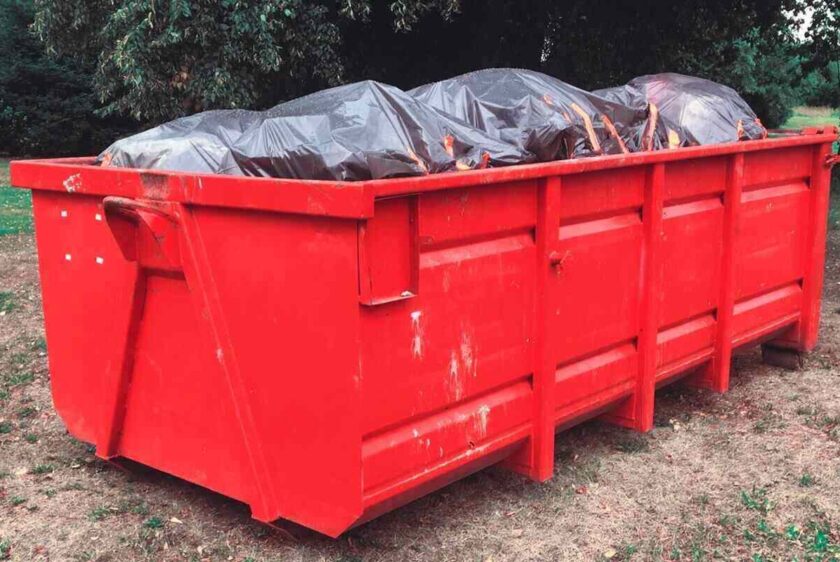
A dumpster rental in Virginia Beach, VA, can save several hours on a cleanout or remodel, but the quoted price only holds if the container size, rental window, and material mix match the job.
Most surprise charges come from avoidable mistakes, not from the rental itself. A little planning around debris type, placement, and pickup timing goes a long way toward avoiding dumpster fees and keeping a project on schedule.
Why Dumpster Bills Rise Above the Quoted Rate
In most cases, dumpster pricing includes delivery, pickup, and a specified amount of disposal built into the rate.
Some common reasons dumpster costs go up include:
- Loads that exceed the included weight allowance
- Materials that require separate handling or disposal
- Containers that stay on site longer than planned
- Debris that is overfilled or loaded unevenly
- Last-minute changes to delivery, pickup, or swap schedules
That’s why effective construction waste management starts before the dumpster actually arrives. If the job creates roofing shingles, concrete, drywall, yard waste, or mixed household junk, the safest move is to describe that mix clearly up front instead of assuming all debris prices out the same way.
Match the Container to the Debris and Placement
The most straightforward way to cut your dumpster rental costs is to choose the right container size on the first go.
A small remodel may fit in a 10-yard dumpster, while a larger renovation or a heavy-debris job may require a 30-yard dumpster. Going too small can lead to overfilling, the need for a second haul, or a rushed swap that costs more than sizing correctly at the start.
Dumpster placement matters, too. If the container needs to sit in a city-owned right-of-way or easement, ask about permitting before delivery, rather than finding out later that the spot is not approved. That’s one of the most overlooked rental dumpster guidelines in dense neighborhoods and on tighter jobsites.
It also helps to plan for what to do if the project outgrows curbside or self-hauling. In Virginia Beach, the city landfill is limited to only residential vehicles, and trailers more than 10 feet or with dump beds are prohibited.
For contractors and homeowners alike, this can turn a last-minute backup plan into lost labor, extra trips, and a more chaotic cleanup day.
Avoid Material Mistakes Before Loading Starts

A lot of extra charges start with the wrong items going into the box. Liquid paint, automotive fluids, batteries, propane cylinders, and certain electronics often need separate handling rather than mixed disposal.
For Virginia Beach residents, the city’s household hazardous waste facility limits household waste to five gallons of liquid or 75 pounds of solid waste per visit, so it helps to separate those items before the dumpster arrives.
Dense materials deserve the same attention. The city’s Resource Recovery Center will accept concrete, brick, and stone only if those materials are clean and don’t contain steel reinforcement or other contaminants.
Mixing heavy debris with general trash can create disposal problems, and it can also make a container hit its weight limit much faster than the pile looks from the outside.
At this stage, local waste-disposal guidelines can have a greater impact than people often anticipate. The cheapest load is usually the one that was sorted correctly from the beginning, not the one that looked easiest to throw together at the moment.
Timing and Fill Level Matter as Much as Price
Another frequent reason costs rise is when the rental period is handled as though there’s no real end date.
If demolition runs late, a cleanout stalls, or subcontractors continue to add debris after the main work is complete, the container may remain longer than anticipated. Scheduling extra days in advance can help manage costs, but last-minute pickup changes can lead to increased expenses.
How full the container is matters just as much as anything else. All debris should remain contained within the bin and loaded low enough for safe collection.
When material sticks up over the rim, shifts unevenly, or packs dense weight into one end, pickup can be delayed until the load is corrected. That means more handling, more downtime, and a bigger mess on-site.
For homeowners, these are useful residential dumpster tips because they prevent a weekend project from dragging into the next week. For contractors, managing waste efficiently is essential so crews don’t have to wait for a box that cannot yet be hauled.
Know When a Roll-Off Beats Other Cleanup Options
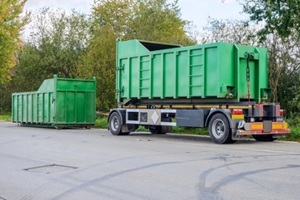
There are times when Virginia Beach trash services or a few personal dump runs still make sense. A small cleanout with light, approved material may not need a full roll-off container, especially if the timing is flexible.
But once the job involves renovation debris, mixed materials, tight access, or a schedule that cannot absorb delays, a roll-off dumpster rental becomes the simpler path. It reduces handling, keeps debris contained, and supports cleaner construction cleanup strategies than piling materials and sorting them under deadline pressure.
A few personal dump runs may still work for a small, flexible cleanup, but once debris starts piling up, the simpler option is usually a roll-off dumpster. For a cleanup that stays contained and on schedule, request a quote online or call Full Strut Disposal at 757-805-5749 before the job gets harder to manage.


