
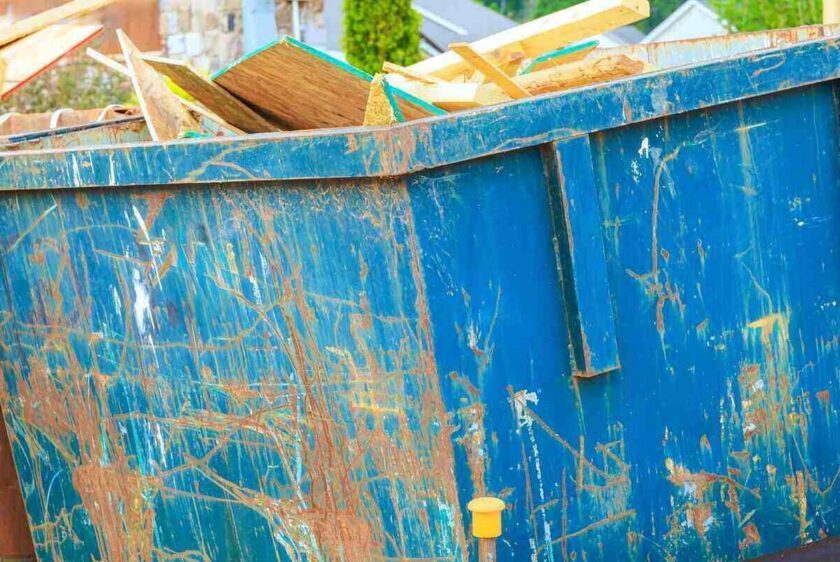
6 Mistakes to Avoid During Large-Scale Waste Disposal

Large-scale waste disposal takes careful planning long before debris starts piling up on your jobsite.
Construction projects, commercial renovations, property cleanouts, and major demolition jobs all generate significant amounts of waste, and small mistakes can quickly affect safety, productivity, and project costs.
| In This Article: A few common oversights can cause delays, increase disposal costs, and slow progress even on well-managed projects. The following mistakes and practical solutions can help keep cleanup organized while improving site efficiency from start to finish. |
1. Starting Without a Waste Removal Plan
One of the most common waste-disposal mistakes occurs before the first piece of debris is ever removed. Jumping into demolition or cleanup without a clear waste removal planning strategy often leads to overflowing containers, blocked work areas, and unnecessary downtime.
Every project produces different materials, including wood, drywall, roofing, concrete, metal, packaging, and general debris. Estimating what will be generated during each phase allows project managers to schedule dumpster service appropriately and avoid interruptions.
The U.S. Environmental Protection Agency recommends creating a construction and demolition materials management plan before work begins to identify opportunities for recycling, reuse, and proper disposal.
A good plan should identify the following:
- Expected debris types
- Estimated waste volume
- Dumpster placement
- Pickup frequency
- Materials requiring separate disposal or recycling
- Responsibility for monitoring container capacity
Planning ahead helps keep commercial waste management efforts organized and reduces unnecessary labor throughout the project.
2. Choosing the Wrong Dumpster Size or Service Schedule
Selecting a dumpster based solely on its physical size often leads to problems since material weight plays just as large a role as volume. Heavy debris such as concrete, brick, asphalt, and roofing materials can reach weight limits long before a container appears full.
Scheduling matters because a late delivery, early pickup, or missed access window can slow down the project and create avoidable frustration. Demolition work often fills containers much faster than finishing work, making regular haul-offs an important part of efficient construction waste removal.
Discussing the project with a dumpster rental provider allows them to recommend equipment based on the materials being removed rather than simply estimating how much space they’ll occupy.
3. Mixing Materials That Should Be Separated
Throwing every discarded item into one container may seem convenient, but it can create disposal challenges and additional expenses.
Some materials require special handling, while others can often be recycled or salvaged. Paints, solvents, batteries, electronics, fluorescent bulbs, tires, and certain appliances may have disposal restrictions depending on local regulations and disposal facilities.
The Virginia Department of Environmental Quality outlines special waste requirements for materials that require separate handling.
Separating materials whenever practical supports debris management best practices while making recycling opportunities easier to identify. Clean loads are also less likely to require additional sorting before disposal.
Labeling collection areas for different waste streams gives crews simple guidance throughout the project and helps reduce accidental contamination.
4. Allowing Debris to Build Up Around the Jobsite
Putting cleanup off until the project is finished can leave debris, tools, and loose materials in the way, creating safety risks that could have been avoided. OSHA recommends removing scrap materials and rubbish as work progresses because accumulated debris can interfere with safe movement throughout a jobsite.
Loose materials can:
- Block walkways
- Create trip hazards
- Slow equipment movement
- Reduce available workspace
- Increase cleanup time later in the project
Daily housekeeping supports better site cleanup efficiency while keeping your work areas safe and organized. Smaller collection containers placed near active work zones can make routine cleanup much easier before materials are transferred into the main roll-off dumpster.
OSHA also requires walking and working surfaces to remain clean and orderly throughout the workday.
5. Loading the Dumpster Incorrectly
Proper loading affects both safety and transportation. Overfilled containers, uneven weight distribution, or materials sticking above the container walls can create problems during pickup.
Heavy debris should be spread evenly across the container floor rather than concentrated in one location. Long pieces of lumber, pipe, or metal should remain inside the container boundaries whenever possible.
Dumpster placement also deserves attention. Delivery trucks need adequate room to drop off and retrieve containers safely. Overhead power lines, narrow entrances, parked vehicles, and soft ground can complicate service if these conditions aren’t considered in advance.
If a dumpster will occupy a public right-of-way, property owners should first review the City of Virginia Beach right-of-way permit requirements.
Thinking through access before delivery makes debris disposal services much smoother throughout the project.
6. Waiting Too Long to Schedule Dumpster Service
Many projects continue filling up dumpsters until they’re completely full before requesting service. Unfortunately, that often causes delays when crews have nowhere to place new debris while they wait for pickup.
Monitoring container capacity throughout the project allows managers to schedule empty-and-return service before work slows down. Planning around major demolition days, roofing work, tenant move-outs, or large deliveries helps maintain steady progress.
Reliable commercial waste disposal solutions depend on communication between the project team and the waste removal provider. Scheduling pickups before containers reach capacity keeps cleanup moving and reduces unnecessary handling of debris.
Keep Large-Scale Waste Disposal Running Smoothly
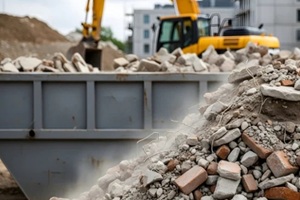
Successful large-scale waste disposal starts with thoughtful planning, organized material handling, and timely service scheduling. Avoiding these common waste disposal mistakes helps improve productivity, reduce unnecessary costs, and create safer work environments throughout construction, renovation, and cleanup projects.
Full Strut Disposal provides dependable roll-off dumpster rentals for contractors, property managers, businesses, and homeowners throughout the Virginia Beach area. If you’re planning construction waste removal or another large cleanup project, our team can help you choose the right container, coordinate service, and keep your project moving.
Reach out to Full Strut Disposal today at 757-805-5749 to talk through the details of your job and find the right disposal solution for your needs.


