
What Contractors Should Include in a Jobsite Waste Management Plan
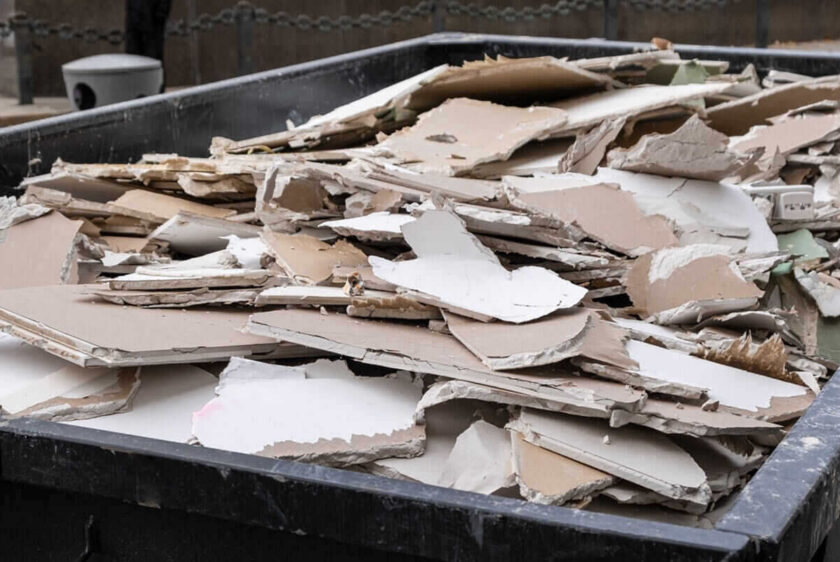
The roll-off in the driveway has been full of construction debris for days. The drywall crew is stacking scrap along the garage wall, the electrician can’t get their van past the pile, and you have an inspection in two days. You need a dumpster swapped quickly so work can continue safely, and you need a plan to prevent these issues next time.

The EPA estimated that U.S. construction and demolition created 600 million tons of debris in 2018, with demolition responsible for more than 90% of it. To prevent debris from building up, job sites need a waste management plan.
It’s a written document that spells out how much debris a project will generate, which containers handle it, how often they get emptied, which materials get separated, and who keeps the waste area usable.
Why a Written Waste Management Plan Beats Winging It
Poorly planned construction waste management shows up as labor hours spent moving the same debris twice, a haul invoice for a half-empty box, and a tradesperson who can’t start because a full container is blocking their work.
Safety inspectors are also quick to write up loose job site debris. On commercial, municipal, and multi-family work around the Virginia Beach metro area, the plan is usually a required submittal under Section 01 74 19 of the project manual, Construction Waste Management and Disposal.
Estimate Debris Volume by Phase, Not by Project
Estimate the volume of debris according to the needs of the different phases of work. A single, project-wide number can mask how volume and density move in opposite directions as a job progresses, and the type of container you need will depend on those numbers.
- Demolition and tear-out produce the densest material on the job. With plaster, tile, roofing, and concrete, weight decides what you can load, not volume.
- Framing and rough carpentry runs high volume at low density, so wood scrap and packaging fill a box fast without adding much weight.
- Rough-in and finish work brings metal scrap, conduit, cardboard, and trim waste in small but steady volumes.
Screen before you load. Plaster, floor tile, and roofing in older buildings can contain asbestos, and Virginia withholds demolition or renovation permits on most buildings first permitted before 1985 until a licensed inspector certifies the affected areas. That is abatement work, not roll-off material.
Estimate roofing tear-offs, concrete, and masonry by weight, since those loads hit a hauling limit long before the box looks full. Have subcontractors submit expected numbers before they mobilize.
Match Container Sizes to Material Density
Sizing follows density and phase, not just total cubic yards. Heavy debris needs a smaller box. Bulky but relatively light debris calls for a bigger one.
| Container | Handles Best | Typical Jobsite Use |
| 10 yard | Concrete, brick, tile, roofing tear-off | Small demo, single roof, bathroom gut |
| 20 yard | Mixed debris, moderate volume | Kitchen and whole-room remodels |
| 30 yard | Framing scrap, drywall, packaging | New construction, large build-out |
The density limits catch even experienced crews. Load a 30-yard box with concrete, and it hits its hauling limit at a fraction of being full, so you pay for capacity you can’t legally move. Ask what a roll-off container carries by weight for your material before the first load.
Set a Pickup Schedule Around Real Fill Rates
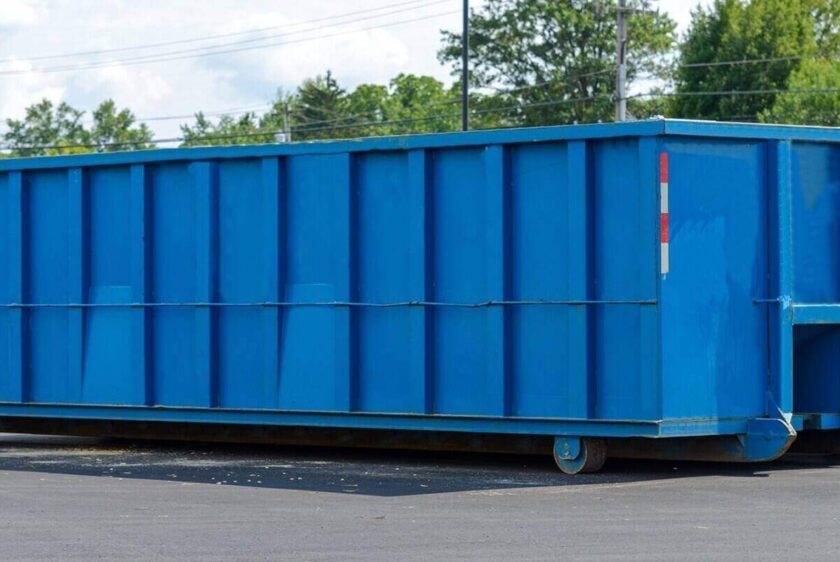
Build the schedule off your phase estimates, then correct it in the first two weeks against what the boxes actually do. Job sites often get too little service and end up with container overflows and access limitations, and construction debris removal becomes a work stoppage. Too much service is a quieter problem, since you pay full haul rates on half-empty boxes.
Put the triggers in writing. A standing pickup through demolition, a swap at the fill line, and on-call service during finish work covers most jobs. Demolition typically finds more material than the takeoff expected, and same-day service is what covers those weeks.
Separate Recyclables Before They Hit the Pile
Separating recyclable from non-recyclable debris at the source helps keep metal, cardboard, and clean wood less expensive to move, since sorted loads avoid the mixed rate. Treated or painted wood, wet insulation, food trash, and anything regulated as hazardous can send a whole box to the landfill.
Crews tend to sort correctly more often when it is the path of least resistance, so label the boxes and set them next to the work, not 80 feet away at the gate.
Assign the Waste Area and Keep the Approach Clear
A plan nobody owns tends to fail quickly, so put names in the waste management planning document. Name who keeps the container area reachable by the truck, who checks loads against the fill line, who calls in swaps, and who briefs each subcontractor on which box takes what. One superintendent can fill all four roles, but none should go unassigned.
Access saves aborted pickups, and properties should be properly prepared. A roll-off truck needs a straight approach and room overhead to raise the box, so keep material and parked trucks off the lane and check for low limbs and service drops above the drop spot.
How a Jobsite Waste Management Plan Holds Up to Inspection
The waste management plan is what you hand over when someone asks how waste is being handled, and specs on commercial, municipal, and multi-family work often require documented handling and diversion. File haul tickets with the plan as they arrive, because owners want container counts and diversion volumes at closeout.
The City of Virginia Beach requires a permit for work within a city right-of-way or easement, and its seasonal restriction policy limits sidewalk and lane closures at the oceanfront and Sandbridge from May 1 through September 30. Verify your address with Permits and Inspections before scheduling the drop.
Get the Containers Sized for the Phases Ahead
Estimate your needs by the phase of your project and expected density of the waste. Schedule your roll-off against real fill rates. Separate recyclables at the source. And name the person responsible for the waste area in the management plan.
Full Strut Disposal handles the service side of contractor waste management across the Virginia Beach metro area, with 10-, 20-, and 30-yard roll-offs, scheduled pickups, and same-day swaps. We also run trash pickup for multi-family housing and large group properties.
Contact Full Strut Disposal online or call us at 757-805-5749 to size containers for the phases ahead. Call by 9 a.m. and your dumpster can be there today.


