
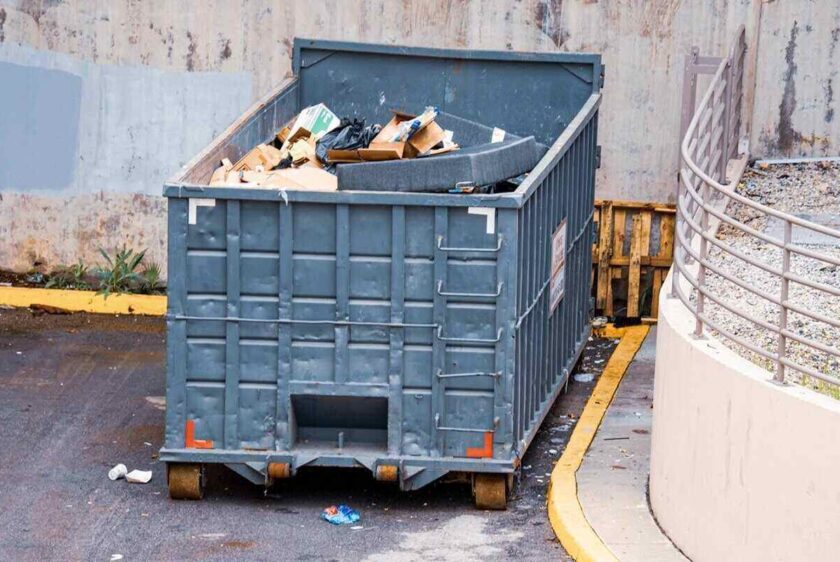
7 Ways To Make Construction Debris Removal Easier
| In This Article: See how small changes in planning, sorting, and scheduling can dramatically improve construction debris removal and keep your job site running smoothly from day one. |

The removal of construction debris isn’t a minor task because it has a clear impact on budget control, scheduling efficiency, and site safety.
The U.S. EPA found that in 2018 alone, the construction and demolition sector produced 600 million tons of debris, surpassing the year’s municipal solid waste total by more than twofold. Demolition alone accounts for over 90% of that total. Numbers such as these point to an important reality: waste handling is built into the core of construction waste management rather than an afterthought.
As soon as debris builds up, crews usually lose momentum, and the pace of work begins to suffer. Access routes become blocked, materials become mixed together, and crews spend time working around clutter. Following the job-site cleanup strategies below can make construction debris removal much easier to manage than many teams expect.
1. Start With Planning Before the First Dumpster Arrives
Debris removal gets easier when it’s mapped out before demolition or framing begins. On major construction projects, waste planning plays a direct role in meeting stormwater requirements and keeping site activities properly phased.
Federal guidance requires construction sites disturbing one acre or more to comply with stormwater permit requirements, and waste storage and container placement are a core part of that.
During the early planning phase of the project, you should decide:
- Where the containers will sit
- How will trucks access them
- What materials you expect to generate
- How often should pickups happen
Putting this much thought into the setup creates a more orderly construction site and helps the team avoid rushed decisions when work’s already underway.
2. Separate Materials at the Source To Speed Up Removal
Mixed debris slows everything down. Crews who toss drywall, metal, wood, packaging, and liquids into a single pile can cause delays during hauling and recycling.
Among the many waste-management practices available on a jobsite, separating materials at the source stands out as one of the smartest and most effective choices a construction crew can make.
Various materials, including concrete, masonry, metal, roofing materials, drywall, and clean wood, should be separated whenever possible. Hazardous waste, liquids, asbestos-containing materials, and general trash require separate handling.
On projects where we’ve seen materials sorted early, loading time drops significantly, trucks move in and out faster, and recycling options expand. It stands out as one of the easiest and most practical ways to help keep cleanup efficient throughout the construction process.
3. Choose the Right Container and Place It Strategically
Dumpster size matters, but placement matters just as much. Under OSHA rules, debris cannot accumulate in walkways, stairways, or active work zones, and any on-site container must be loaded safely without interfering with normal operations.
A roll-off container that’s placed correctly should:
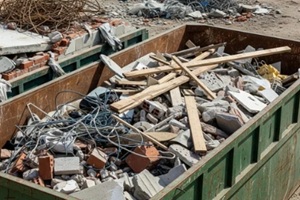
- Sit away from storm drains and low areas
- Maintain safe ingress and egress for trucks
- Stay clear of fire hydrants and overhead utilities
- Remain accessible without disrupting crews
Outdoor dumpsters should be covered when it rains. When stormwater moves through an active construction area, it can pick up sediment and contaminants that lead to runoff concerns. Still, thoughtful placement decisions can reduce disruption and help keep the site on track.
4. Schedule Regular Pickups Before Overflow Happens
Waiting until debris spills over the top of a container leads to project delays. OSHA requires that combustible debris be removed at regular intervals and that garbage be disposed of frequently.
Consistent hauling prevents operational bottlenecks because crews aren’t maneuvering around overfilled bins, and equipment has clear access paths. During heavy demolition phases, extra containers or more frequent pickups help maintain a steady pace.
For contractors in Virginia Beach who need quick turnaround, having same-day service available can make a noticeable difference in maintaining a steady workflow.
5. Keep Debris Cleared To Maintain a Hazard-Free Job Site
Proper housekeeping is a major part of maintaining a safe construction environment for everyone on site. OSHA guidelines make clear that scrap lumber with exposed nails, along with other debris, must be removed from work areas and passageways.
A clean, hazard-free job site can prevent trips, puncture-related injuries, and unnecessary equipment damage, while also making inspections more straightforward and helping subcontractors work with fewer delays.
Construction debris removal services support site safety and productivity at the same time, rather than benefiting only one side of the job.
6. Protect Waste From Rain and Runoff
Uncovered debris piles can lead to problems with stormwater contamination. State environmental agencies warn that unmanaged stormwater can carry sediment and other pollutants into nearby waterways.
Before the crew leaves for the day, make sure all dumpsters are properly covered, keep erodible materials out of low spots, and avoid storing waste near drains or wetlands. These simple tools for debris removal protect both the site and the surrounding property.
7. Know Local Virginia Beach Disposal Rules Before You Haul
Local disposal authorities set the rules that determine where materials may be taken and how the drop-off process needs to be handled.
The City of Virginia Beach limits its landfill and resource recovery center primarily to residents with proof of residency. Commercial vehicles with signage or certain trailer sizes may be restricted.
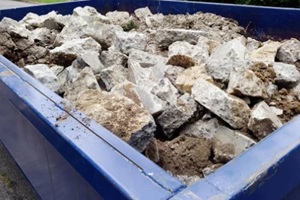
Clean concrete, brick, and stone are accepted at designated facilities if they’re free of any contaminants and steel reinforcement. In many cases, a permit is required if a roll-off container will be placed in a city-owned public right-of-way.
Getting familiar with these rules beforehand helps prevent slowdowns and keeps unplanned fees from appearing. It’s an important part of construction waste management that many overlook until the truck’s ready to roll.
Keep the Jobsite Productive, Clear, and Under Control
Construction debris removal doesn’t have to slow your project down. When you plan to separate materials, place containers properly, and schedule hauling strategically, debris disposal from construction sites becomes effortless and part of your routine rather than being a recurring headache.
The job site cleanup strategies we’ve outlined today help reduce costs, support more efficient cleanup efforts, and improve organization on construction sites across residential and commercial builds.
At Full Strut Disposal, our clients count on reliable service, fair pricing, and swift turnaround across every stage of the job. Contact us today to request your free quote, and we’ll keep your project moving with reliable construction debris removal that you can count on.


