
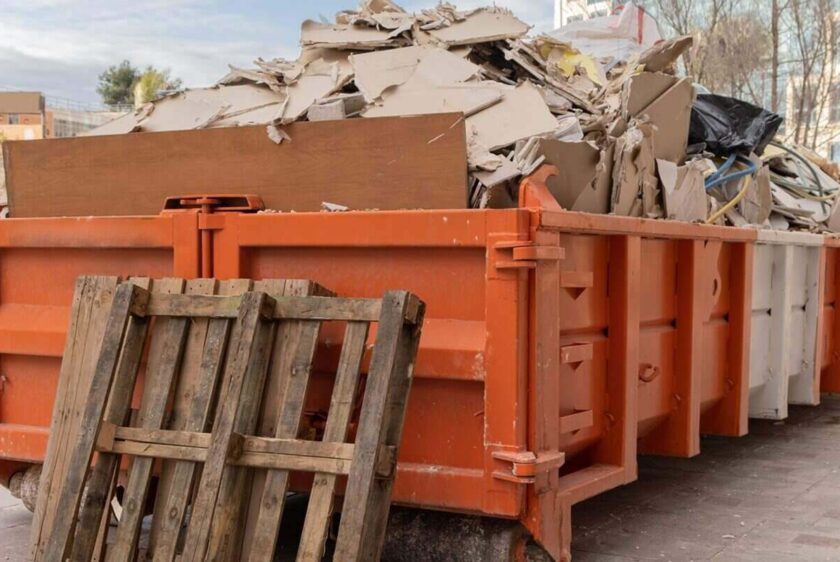
How To Reduce Costs on Construction Debris Removal Services in Virginia Beach
| In This Article: If you’re tired of surprise overages and inflated haul bills, you’ll learn how to lock in affordable debris removal services through better sorting, scheduling, and container sizing. |
When construction debris removal is handled without much planning, it can gradually drive up project costs in ways that are easy to miss until the budget starts tightening. Many contractors and property owners focus on the haul rate, only to be surprised by weight charges, contamination fees, and extra pulls.
Smart planning changes that. When you understand how waste is priced, how materials are handled locally, and how container service affects your invoice, you can gain real savings in construction waste management while keeping your job on schedule.
What Actually Drives Debris Removal Costs
Most people assume pricing is based solely on the container. In reality, invoices are shaped by weight, disposal destination, service frequency, and contamination.
According to the U.S. Environmental Protection Agency, the construction and demolition industry produced roughly 600 million tons of debris in 2018 alone.
Roughly 143 million tons went to landfills, while 457 million tons were recovered for reuse as aggregate, fuel, mulch, and soil amendments. That stat should tell you that material separation already plays a substantial role in how the industry operates today.
In Virginia Beach, disposal fees are based on weight at regional facilities. When disposal is priced by the ton, every extra pound increases your invoice. If concrete, wood, cardboard, and trash are tossed into one container, the whole load is usually charged at full landfill rates.
Once you understand how that cost structure works, you are in a much better position to secure debris removal services that stay practical and affordable.
Reduce Waste Before It Reaches the Dumpster
The cheapest debris is the debris you never create. In renovation work and tenant build-outs, ordering materials more carefully often leads to visibly smoother operations and fewer avoidable setbacks.
Overbuying drywall, lumber, or tile often results in pallets of unused material being sent straight to disposal. When you carefully coordinate purchasing and minimize packaging, you cut material costs and reduce container weight simultaneously.
Preserving portions of existing structures can also lower debris disposal expenses. Keeping usable framing, subfloors, or interior doors in place reduces the volume of material to haul. Salvaging fixtures and hardware during demolition gives reusable items a second life rather than adding to landfill waste.
These strategies for managing waste on construction sites are practical and straightforward to apply to both residential and commercial projects.
Separate Materials To Protect Value and Avoid Fees
Mixed loads destroy value. Once recyclable materials are contaminated with general trash, they’re often charged at full disposal rates.
Recycling construction debris such as concrete, brick, clean wood, metal, and cardboard can significantly reduce total tonnage sent to landfills. Crushed concrete can be reused as fill or subbase, scrap wood can be chipped for mulch, and metal retains strong recovery value.
The following example offers a direct look at how material separation can directly influence overall project costs:
| Material Type | Best Handling Approach | Cost Impact |
| Clean Concrete And Brick | Separate container for recycling | Lower per-ton cost |
| Scrap Metal | Dedicated bin or palletized | Revenue or reduced disposal fee |
| Clean Wood | Separate for mulch or fuel markets | Reduced landfill weight |
| Mixed Trash | Last resort disposal stream | Highest cost per ton |
On large job sites, our team has encountered mixed containers that add thousands in extra disposal fees over the course of a project. Sorting at the source takes a little planning, but it pays off quickly.
Right-Size Containers and Adjust Pickup Frequency

Efficient construction cleanup efforts depend heavily on your choice of container selection and the service cadence you need. A container that’s too small leads to overflow, emergency pulls, and schedule disruption, while one that’s too large or emptied too frequently means you’re essentially paying to haul air.
The first step to controlling job site costs more effectively is measuring the actual volume of debris, materials, or usage rather than relying on rough estimates.
If your dumpster is half full at pickup every week, you can likely reduce service frequency. When debris regularly rises above the container’s top edge, moving to a larger container can help avoid overage fees while also reducing safety risks on site.
Fine-tuning container size and pull schedules is one of the fastest ways to secure savings in your construction waste management.
Understand Local Rules and Commercial Limitations
Virginia Beach sets its own eligibility requirements for using its landfill facilities, so not everyone can dispose of waste there.
Vehicles with commercial signage, work equipment, or ladder racks are typically classified as non-residential and are not permitted to use certain resident-only services. That means contractors usually need to utilize professional construction debris removal services.
Working with a provider who understands local disposal outlets and recycling markets helps route material correctly, rather than defaulting to landfill pricing. When you follow clear debris removal planning tips that align with local regulations, you prevent rejected loads and wasted trips.
Review Invoices and Watch for Hidden Charges
Haul rates are just one line item to consider. Seemingly smaller line items such as fuel surcharges, office fees, regulatory charges, contamination costs, and preset increases can gradually push the total higher.
Review invoices carefully and compare actual tonnage to container size. If you’re consistently underweight for the container capacity, resizing may lower your monthly expense.
If contamination fees begin to show up, your material separation procedures will likely need to be revised to prevent the issue from continuing. Maintaining affordable debris removal services depends on visibility into what you’re being charged and why.
Build a Smarter System for Handling Jobsite Debris
Lowering debris disposal expenses isn’t about chasing the lowest quoted price. It’s about reducing waste at the source, separating materials early, matching container size to actual volume, and refining pickup schedules.
When construction cleanup is handled efficiently, the project stays on pace, and your profit margins are less likely to be chipped away by avoidable delays and extra costs. Construction debris removal should support your timeline and your budget, not undermine them.
If you’re ready for budget-friendly debris services built around smarter planning and local expertise, contact Full Strut Disposal for a free estimate. We’ll review your project, recommend the right container strategy, and help you achieve real savings in construction waste management from day one.


