
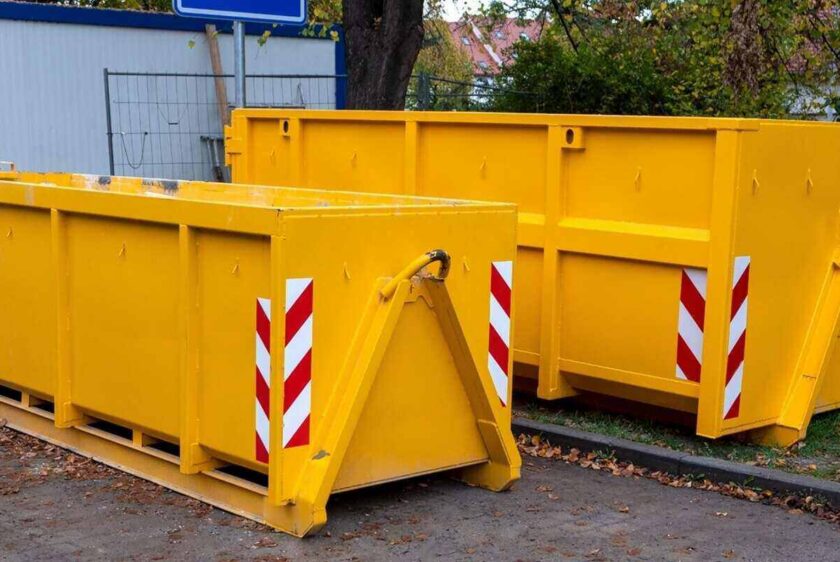
How to Choose the Right Dumpster Size for Your Project
| Key Takeaway: The right dumpster size for your project depends on the size, shape, and weight of your debris. We discuss how to find the right capacity bin for your needs. |
Most of us have faced the challenge of needing to throw something away, only to find the container already overflowing. For HOA leaders in charge of waste management, that inconvenience is also an embarrassment. And for contractors on a job site, it can put work behind schedule.
Both of these situations have the same origin. The dumpster they received is too small for their project. Getting that decision right the first time can prevent a second haul and overage charges, and helps keep job sites moving efficiently. Here is what to consider about dumpster sizing so that you can choose the right dumpster size for your next project.
Matching Size to the Type of Project
A single-room renovation, a bathroom gut, or a small deck removal usually generates a moderate volume of mixed debris and fits in a smaller container. A whole-house cleanout, estate cleanout, or full interior demolition produces enough volume and weight that undersizing can mean extra pickups, and that charge for an extra trip can cost more than renting a larger dumpster would have to begin with.
New construction waste behaves differently depending on the phase of the project. Framing generates a steady stream of lumber cutoffs and packaging that adds up over weeks rather than all at once, which is why many general contractors keep a container on site and have it swapped on a schedule instead of filling it once and hauling it away.
HOAs and property managers often need to clear vacant units or clean common areas after storm damage. Many neighborhoods also find it convenient and cost-effective to schedule a neighborhood bulk cleanup weekend. All of these projects tend to generate a mix of furniture, appliances, and yard debris that fills by volume quickly even when the total weight is relatively low.
If a project falls between two sizes, the safer call is usually the larger container. Paying for unused capacity is a smaller problem than stopping work because the container filled up before the job was completed.
What a Roll-Off Actually Holds on a Real Job Site
Roll-off dumpsters are measured in cubic yards, but that number often doesn’t go as far as people assume. Bulky or irregular waste, such as lumber or furniture, creates substantial air pockets that take up more room in a container than the size of the actual waste. On the other hand, demolition debris such as drywall, tile, and concrete is dense and heavy, so a container can look half empty while already reaching the weight limit the truck can legally haul.
Two projects that generate roughly the same volume of debris often need different container sizes. A kitchen remodel that pulls out cabinets and countertops produces bulky waste that fills a container by volume long before it approaches a weight limit. A roofing tear-off, on the other hand, produces shingles that are compact and dense, so the container fills by weight well before it looks full.
Full demolition and new-construction framing waste both run high on volume and weight, and typically call for the largest containers available.
The person who orders the dumpster should describe the material, not just the square footage of the project, to the rental coordinator or customer service representative.
What Happens When the Size Is Wrong
Predicting the dumpster size a project will need can be hard, but getting it right can save money and time.
An undersized container will fill before the project is finished. This means scheduling a second haul, which, depending on the project, can bring expensive delays. Crews can’t pile debris above the fill line, as it creates safety problems for the driver who hauls the dumpster away as well as crews on site. And passing a container’s weight allowance will trigger additional charges.
Oversizing also costs money. Larger containers generally cost more to rent. But they also take up more space. This can mean less usable space in a parking lot and crews walking extra feet multiple times a day to get around the dumpster, among other issues.
If you’re looking for a dumpster and aren’t sure what size you might need, talking to a rental coordinator can help. They’ll have the experience to better judge the appropriate size based on the scope of work and material.
Placement and Permit Considerations in Virginia Beach
Where the roll-off is placed is another important consideration. On a job site, loaders must be able to work around the container, yet you don’t want crews wasting time walking farther than necessary.
If a container needs to sit in the street or block a sidewalk, or otherwise block public access or right of way, most municipalities require permitting. You may need a site sketch and timeline, and you may need to provide protective plywood under the container to prevent pavement damage. If you’re placing a container on or near a public street, sidewalk, or parking lot, you should confirm the current requirements for the specific address.
In Virginia, the Department of Environmental Quality regulates disposal at the state level, and its solid waste rules govern how construction and demolition debris, along with other solid waste, is handled. Materials such as hazardous waste, medical waste, and other regulated items are not accepted in a standard roll-off, and any project that might generate those materials should confirm handling requirements before debris hits the container.
Why Same-Day Service Matters as Much as the Question of Size
Projects are usually on deadlines. Builders typically have contractors scheduled weeks in advance. Homeowners might demo a room themselves over a weekend, with plans for a construction crew to be in first thing Monday. An HOA might plan a cleanup weekend and get a better turnout than expected.
But the container has a capacity. Going over the weight limit will incur an extra charge. Piling material above the fill line also creates a hazard for anyone walking near the dumpster, as well as the crews who have to haul it away.
Being able to quickly remove and replace a filled roll-off can be essential to your schedule and budget.
Full Strut Disposal offers same-day service designed to meet these needs. If you have a contract with us, call by 9 a.m., and we will deliver, swap, or pick up a container before the end of business.
Get the Right Size, Backed by Same-Day Service
Full Strut Disposal serves general contractors, property managers, and HOA boards across the Virginia Beach metro area with roll-off dumpster rentals. We also handle residential trash pickup for multi-family properties and residential developments.
Contact Full Strut Disposal online or call us at 757-805-5749 to discuss your project and get the right container size for your needs. If you already have a contract with us, call by 9 a.m. for same-day delivery, swap, or pickup.


