
How To Cut Waste Disposal Costs on Any Cleanout Project
On many cleanout projects, the disposal budget is a line item that should be easy to control but can unexpectedly inflate. The flat rate for a roll-off dumpster rental is straightforward to calculate, but exceeding a dumpster’s weight limit, needing multiple pickups or swaps, or adding days to the rental agreement can all increase costs.
Nearly all of that traces back to decisions made before the dumpster was scheduled. Getting those decisions right before ordering a dumpster can help your project come in on budget.
Match the Container to the Project
One of the most common ways to overspend on a dumpster rental is to order the wrong size. Order a unit that’s too small, and you’re paying for a second haul, a second delivery fee, and the downtime while you wait for the swap. Order a unit that’s too large, and you’ve paid for capacity you didn’t need.
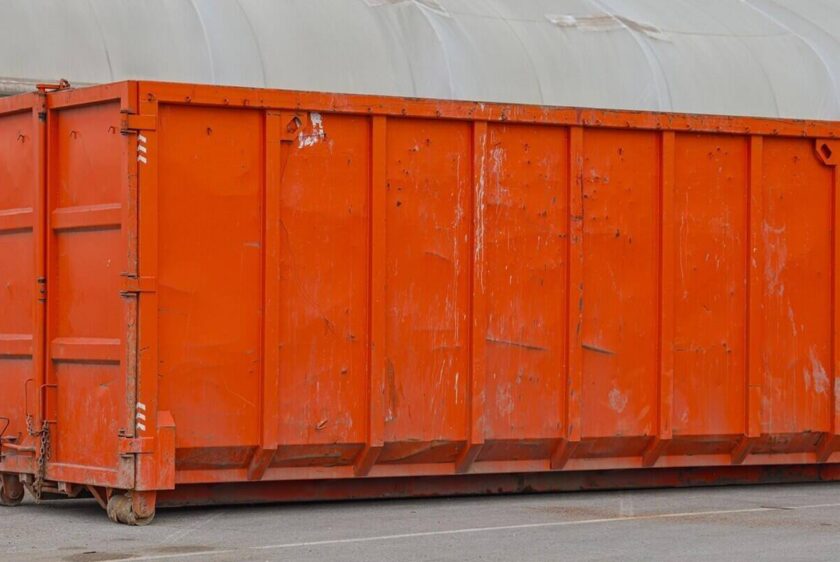
Full Strut Disposal offers 10-, 20-, and 30-yard roll-off containers across the Hampton Roads area. A 10-yard dumpster is ideal for a single-room cleanout, a small bathroom remodel, or a garage purge that’s been put off for years. A 20-yard unit is great for mid-size renovations, estate cleanouts, and multi-room projects where mixed debris adds up quickly. A 30-yard container covers full-property cleanouts, large-scale demolition, and new construction waste where volume runs high.
Getting this wrong can add hundreds of dollars to the final bill. Across the industry, overage fees for exceeding the included weight limit typically run $40 to $150 per ton, and a single misjudged project can trigger $200 or more in unexpected charges.
Estimate Volume Before You Call
Homeowners often underestimate how much waste a cleanout produces. In a kitchen remodel, for example, you might throw away large cabinetry and countertops as well as dense flooring and drywall. And that’s not even considering the packaging from new appliances or scraps from new construction.
An estate cleanout also fills space quickly when furniture, appliances, and decades of accumulated belongings hit the container at once. A three-bedroom estate cleanout can fill a 20-yard, and then some, especially once attic storage and garage contents enter the picture.
Before you call to order a roll-off dumpster, walk through the project space. Open closets and drawers and try to be honest about total volume. For renovation work, add the demo materials plus the packaging and cutoffs from new installations.
In general, overestimating by one container size costs less than underestimating and paying for a second haul. When you call a local rental service, give them the specifics of your project. The company’s representative should be able to help you pick the size of the container you need.
Sort Before You Throw
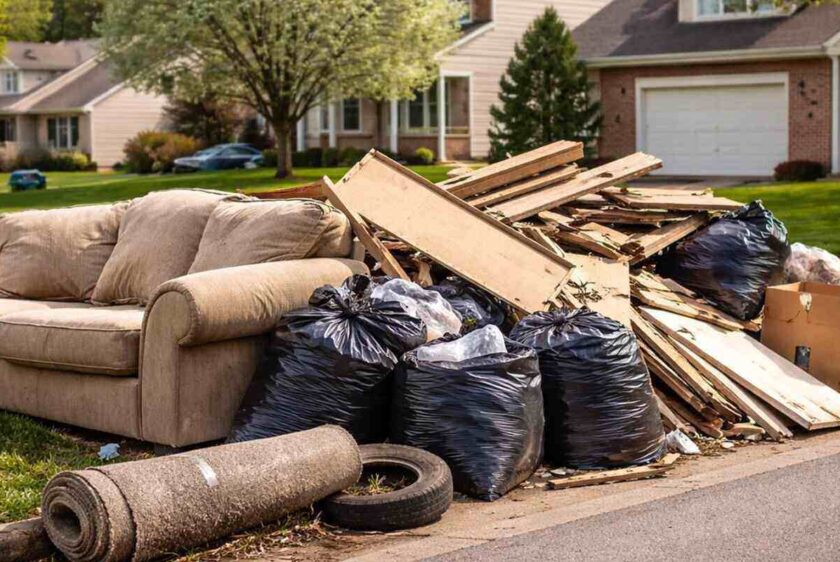
Most cleanout projects turn up at least a few items that can’t go in a dumpster. Refrigerant in refrigerators, freezers, and air conditioning units must be professionally recovered before these appliances can be disposed of. Tires, batteries, propane tanks, and pressurized cylinders will also be rejected due to fire and explosion risk.
Paint, solvents, motor oil, and other household hazardous waste require separate disposal through local collection programs. In the Hampton Roads area, the Southeastern Public Service Authority operates permanent collection sites in Chesapeake, Norfolk, and Franklin for these materials.
When prohibited items are put in a dumpster, the hauler may refuse to pick up the load until they’re removed. Even if the load is hauled, the landfill can still reject it. This can lead to surcharges, re-sorting, additional hauls, and days of delay. Haulers typically charge $50 to $250 per prohibited item, and a fully rejected load means paying to haul it twice and spending time to remove the prohibited items.
The simplest way to avoid this is to ask your hauler what they accept before you start loading, then pull prohibited items as you go and set them aside for separate disposal.
Beyond what’s prohibited, pulling certain materials out of the dumpster can help manage the total weight of the load. Appliances such as washers, dryers, and water heaters can often be picked up at no charge by recyclers who recover the metal. For larger renovation or demolition projects, clean concrete and brick can sometimes go to recycling facilities rather than the landfill.
Load Smart, Haul Less
How you load a dumpster affects how many hauls you need. Break down bulky items before tossing them in, for example by flattening boxes and disassembling furniture frames. Bulky items can fill a dumpster quickly by creating dead space.
Load flat materials, including drywall sheets, plywood, and flooring along the bottom and walls of the container first. For projects producing concrete, tile, roofing shingles, or other heavy materials, watch total weight as you load. A 20-yard packed tight with heavy demo material can exceed its tonnage allowance well before it looks full, and those overage fees add up.
For multi-day projects, have the dumpster hauled away once you know you’re done with it. A container parked for three extra days is three days of rental time with zero productivity.
Plan the Disposal Before You Start the Demo

A cleanout’s disposal costs are easiest to control when they’re built into the project plan from the start. That means sizing the container to the project’s scope, scheduling delivery for the day work begins, staging work so heavy items can go into the dumpster first, sorting materials before they go in, and knowing when you’ll need a swap or final pickup.
Whether you’re a contractor managing job site waste across Virginia Beach, Norfolk, and Chesapeake, a property manager turning over units at a multi-family development, or a homeowner clearing out a house, the same principle applies. Many of the decisions that control disposal costs are made before the dumpster shows up.
Get the Dumpster When You Need It
Full Strut Disposal delivers 10-, 20-, and 30-yard roll-off dumpsters across the Hampton Roads area with same-day service if you call by 9 a.m. Call Full Strut Disposal at 757-805-5749 to get the right container for your cleanout, delivered on your timeline.


