
How Bulk Waste Piles Become a Risk for HOAs and Property Owners in Chesapeake, VA
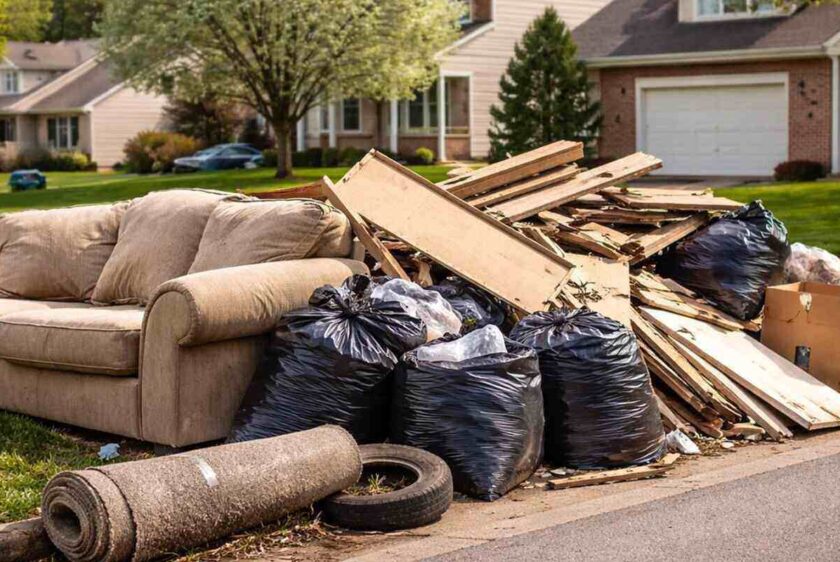
Bulk waste rarely starts as a problem; a sofa after a move or leftover lumber from a home project can feel harmless at first. In Chesapeake neighborhoods, small piles can balloon quickly when bad weather, a few extra drop-offs, and delayed pickup start to stack up.
| In This Article: You will learn how unmanaged bulk waste piles create pest issues, code violations, safety risks, and neighborhood complaints in Chesapeake, along with practical steps homeowners and HOAs can take to prevent problems before they start. |
Why City of Chesapeake Bulk Pickup Rules Matter for Homeowners
Understanding how the City of Chesapeake’s bulk pickup rules work and why unmanaged piles turn risky helps homeowners and HOAs avoid complaints, fines, and liability that nobody wants to manage after the fact. The City of Chesapeake’s bulk pickup program helps residents dispose of oversized items that do not fit in standard carts.
The city separates bulk waste into household items such as furniture and appliances, and yard or tree debris. That distinction affects how items must be staged and where they are taken for disposal.
In real neighborhoods, issues arise when piles of materials mix or sit out longer than they’re allowed to. Household items mixed with yard debris, loose scraps, or prohibited materials often go unpicked up.
What was meant to be a short curbside placement becomes a lingering pile that draws complaints and enforcement attention.
Small Bulk Waste Piles Attract Pests and Health Complaints Quickly
Bulky waste can trap heat and create protected spaces, which makes it attractive to pests and other critters looking for cover.
Items such as fabric, cardboard, and yard debris trap moisture after rain, which creates inviting conditions for rodents and insects. Tires and containers that collect standing water introduce another concern: mosquitoes.
Chesapeake’s seasonal rain and humidity can help speed this process along. A pile can appear dry at first glance, then shift dramatically after one bout of bad weather.
In communities governed by an HOA, pest complaints often reach the board sooner than residents expect, even when the pile still seems manageable.
How Code Violations Turn Bulk Waste Into a Costly Problem
Chesapeake places clear limits on bulk waste placement and timing. Items cannot be set at the curb earlier than three workdays before the scheduled collection. Piles must remain clear of sidewalks, vehicles, and drainage paths, and size limits apply per residence each week.
Construction debris creates the biggest surprises. Renovation leftovers, such as lumber, roofing, pallets, soil, and demolition materials, are not eligible for city bulk pickup.
When these items appear at the curb, the city may issue a notice and remove them after 48 hours, billing the responsible party plus an administrative fee. In HOA communities, this often creates disputes while costs and responsibility are sorted out.
Common Bulk Waste Placement Issues Seen in Chesapeake Neighborhoods
- Household items mixed with yard debris
- Piles placed too early
- Materials blocking sidewalks or drainage
- Renovation debris included by mistake
Neighborhood Appearance and Property Value Concerns Build Over Time
Bulk waste disputes rarely focus on the items themselves; the real tension comes from how long piles sit and how they look.
A pile that lingers signals neglect, especially near common areas or entrances; plus, others may add items, assuming the location is acceptable for dumping.
Over time, repeated bulk piles affect how a neighborhood is perceived, as buyers and renters quickly notice clutter. In HOA communities, this often leads to friction between residents and boards responsible for enforcing appearance standards.
Safety and Liability Risks Hidden Inside Bulk Waste Piles
Bulk waste piles contain many injury hazards. Protruding nails, broken glass, sharp metal edges, and unstable furniture stacks pose trip-and-fall risks, especially at night or in wet weather.
Battery-containing items add another layer of risk, with many power tools, laptops, vapes, and e-bike batteries often ending up in bulk piles unintentionally. Damaged lithium-ion batteries can create a serious fire risk, especially when exposed to heat or physical impact.
Fires near dumpsters or curb piles are uncommon, yet when they occur, damage and liability escalate quickly.
Drainage and Flooding Risks Linked to Improper Bulk Waste Placement
Chesapeake’s drainage system depends on clear ditches and storm drains, and any loose debris from bulk piles moves easily during storms. Cardboard breaks down, plastic shifts, and lightweight items travel toward inlets.
Flooding caused by blocked drainage can damage far beyond the original pile, as cleanup costs, insurance claims, and neighborhood disruption often follow.
Keeping bulk waste well away from low spots and drainage features protects both private property and public infrastructure.
Practical Ways HOAs and Homeowners Can Prevent Bulk Waste Issues
Bulk waste works best as a short-term staging activity, not outdoor storage. Scheduling pickups close to placement limits potential weather exposure and reduces the need for any add-on dumping.
Having clear, consistent communication during move-ins, renovations, and seasonal cleanups lowers confusion.
Planning Approaches That Reduce Bulk Waste Risk
| Situation | Smarter Approach |
| Home renovation | Include debris removal in the project plan |
| Community cleanup | Schedule pickups within allowed placement windows |
| Move-out periods | Arrange extra service ahead of time |
| Unusual items | Confirm disposal rules before curb placement |
Professional removal services are often required when piles exceed city limits or contain construction debris. Many Chesapeake residents find that temporary roll-off dumpsters or scheduled removal keep curb areas clear and avoid enforcement timelines.
A Simple Next Step for Chesapeake Homeowners and HOAs
At Full Strut Disposal, we see how quickly bulk waste becomes a problem when piles sit too long or include materials the city will not collect. When that happens, complaints, safety issues, and enforcement follow.
If your cleanup involves renovation debris or volumes exceeding the City of Chesapeake’s bulk pickup limits, we can help. We offer roll-off dumpster rentals and residential trash pickup for HOA and multi-family communities, with same-day service available when scheduled early.
Planning a cleanup or project in Chesapeake? Call Full Strut Disposal at 757-805-5749 or request a quote online to get waste removed quickly and keep your property clear and compliant.


