
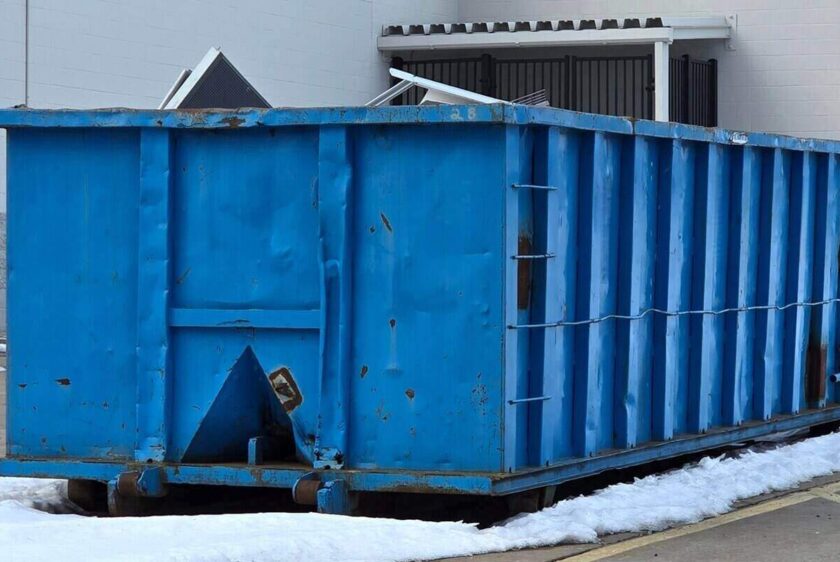
Preparing For Moving Day With A Clean-Out And Bulk Pickup Strategy
Moving has a way of turning “we’ll deal with that later” into a giant pile of furniture being left at the curb. Old couches, worn mattresses, garage shelving, broken patio sets; it’s all surfaces once you start packing. Without a plan in place, bulk items slow down your movers and create last-minute stress with pickup schedules.
A well-timed clean-out strategy keeps large items out of your way and prevents rejected loads, missed pickup windows, or surprise landfill trips.
Here’s a practical guide to organizing your clean-out, understanding City of Chesapeake bulk pickup rules, and lining everything up so moving day runs smoothly.
| In This Article: You’ll get a practical, step-by-step timeline for decluttering before a move, clear guidance on City of Chesapeake bulk pickup rules, and smart tips for coordinating donation, recycling, and disposal so moving day stays organized and stress-free. |
Why Early Clean-Out Planning Makes Moving Day Easier
Most households underestimate how quickly trash accumulates during a move. Once closets are emptied and storage areas cleared, you’re left with bulky pieces that won’t fit in a standard cart.
When using bulk pickup, local rules matter. For instance, the City of Chesapeake’s bulk pickup program requires residents to submit a request and follow specific placement guidelines.
On top of that, certain materials, such as tires, carpet, pallets, and construction debris, are prohibited. Mixing those into your bulk pile can delay removal and lead to extra costs.
Starting the process early on helps you:
- Separate household bulk from yard debris
- Identify restricted items before pickup day
- Avoid placing materials at the curb outside the allowed window
- Prevent movers from working around discarded furniture
The cleanest move-outs happen when waste removal is scheduled just ahead of the final packing push, not after everything is already in boxes.
Deciding What Stays and What Goes Six to Eight Weeks Before the Move
This point of the process sets the stage for big decisions, so skip the small décor and start in the garage, attic, shed, and spare rooms.
Focus on the items that most affect disposal planning:
- Sofas, recliners, dining sets
- Mattresses and box springs
- Appliances and window AC units
- Renovation debris from small DIY projects
Appliances require special attention because refrigerators, freezers, and air conditioners contain refrigerant and may require proper recovery before disposal. Don’t assume you can leave an old fridge at the curb without confirming local guidance.
If you’re in Chesapeake, remember that construction debris isn’t collected as bulk waste. That distinction matters when you’re clearing out leftover flooring, drywall scraps, or fencing panels.
Creating Four Clear Disposal Lanes Four Weeks Before Moving Day
Once you’ve identified what won’t move, sort everything into four categories to keep your curb pile clean and reduce landfill waste.
1. Donation and Reuse for Clean and Working Household Items
Items such as gently used furniture, working appliances, and building materials often qualify for donation. Habitat for Humanity of the Chesapeake accepts large items and even offers pickup services.
Make sure to call ahead before loading anything up. Donation centers have condition standards, and items with heavy wear, stains, or missing parts are often declined.
2. Recycling Electronics, Batteries, and Other Special Materials
Electronics, lead-acid batteries, and certain lamps fall into separate recycling programs. Virginia DEQ provides guidance on universal waste categories such as batteries and bulbs.
Routing these properly protects sanitation workers and keeps potentially hazardous materials out of mixed loads.
3. Scheduling Bulk Pickup for Oversized Household Goods
Bulk pickup typically covers large household items that don’t fit in your cart, such as furniture and mattresses.
As mentioned, in the City of Chesapeake bulk pickup program, you’ll need to submit a request and follow placement timing rules. Items cannot be set out earlier than the approved window.
4. Routing Paints, Chemicals, and Other Household Hazardous Waste Properly
Paints, oils, propane cylinders, and similar materials should go through designated household hazardous waste programs. SPSA provides regional HHW and e-waste guidance, including quantity limits per visit.
Separating these materials from standard bulk debris helps avoid collection refusal and supports proper disposal practices.
Scheduling City of Chesapeake Bulk Pickup and Other Services Two to Three Weeks Out
During the busiest relocation months in the Chesapeake area, schedules tend to book out faster than many expect.
Make sure to submit your bulk request early and confirm:

- Request deadline
- Allowed set-out days
- Placement rules near sidewalks and driveways
- Item limits or size restrictions
Chesapeake requires the separation of bulk waste from yard debris and prohibits certain materials outright. Loads that contain a blend of restricted and accepted items are often left behind on collection day.
If you’re clearing a larger property or coordinating multiple stops, a temporary roll-off dumpster rental can simplify things.
Contractors and homeowners across Virginia Beach often choose this route for garage clean-outs or renovation debris because everything goes into a single container rather than multiple curbside piles.
Staging Bulk Items the Right Way One Week Before the Move
Seven to ten days out, gather bulk items into a single interior staging area, such as a garage or empty room, to keep your home organized and prevent early curb placement.
When you’re inside the approved set-out window, move everything to the curb in one organized push. Keep bulk piles positioned away from mailboxes, fire hydrants, parked vehicles, and driveways so that collection crews have clear, unobstructed access.
Keeping bulk separate from regular trash and yard waste helps crews work quickly and reduces the chance of a partial pickup.
Coordinating Pickup and Movers During the Final 72 Hours
The final days are where the clean-out strategy you’ve created finally pays off. Schedule bulk removal after donation pickups and after you’ve emptied storage areas, but before movers arrive.
Large furniture blocking a loading path slows everything down. A clear driveway and walkway make a noticeable difference in how efficiently your moving team can work.
For commercial move-outs or multi-family properties, timing is even more important. Property managers often require spaces to be broom clean before turnover. Coordinating waste removal in advance avoids extra hauling fees at the last minute.
Leaving the Old Place Clean With a Smart Bulk Pickup Strategy

Moving doesn’t have to end with a last-minute scramble at the curb. When you plan your clean-out early, separate materials correctly, and schedule bulk City of Chesapeake bulk pickup with intention, you free up space, time, and mental energy for the move itself.
If you’re in Virginia Beach or the surrounding area and need fast, reliable roll-off dumpster rental or residential trash pickup for a large property, request a free quote online or call Full Strut Disposal at 757-805-5749 before 9 a.m.; when availability allows, your container can be emptied and returned the same day.
Clear the clutter, keep your timeline intact, and step into your new space without leftover debris holding you back.


