
What Can You Include in a Construction Debris Dumpster? A Virginia Beach-Specific Guide
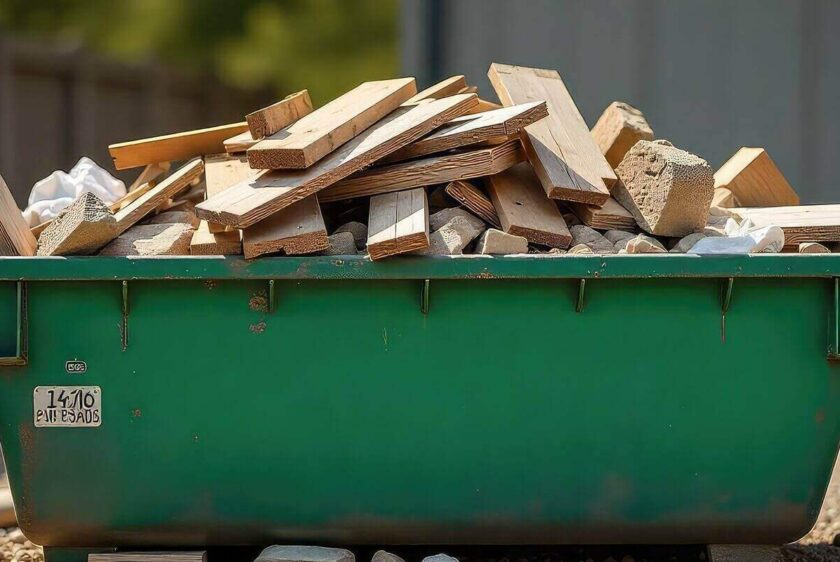
Construction debris may be a necessary part of building, renovating, and remodeling projects, but it can also become a nightmare without the right processes. This includes having a proactive process for managing debris removal. When not managed properly, construction debris can lead to on-site injuries, project delays, and fines from city regulations.
This guide explains how to safely, timely, and sustainably remove construction debris in Virginia Beach. This includes the common materials that have disposal procedures based on the type of waste, and how the right dumpster rental can help make the process seamless and keep companies compliant with Virginia Beach requirements.
What Qualifies as Construction Debris in VA Beach?
Construction projects often involve demolition, building, and even landscaping, each of which creates very specific types of debris. Each material type must be addressed separately to ensure that what ends up in a landfill or dumpster can be safely disposed of in compliance with Virginia Beach regulations.
Construction materials often include drywall, shingles, wood and lumber, concrete remnants, bricks, tiles, and soil. Due to the weight of some of these materials, larger dumpsters (30-yard) can exceed their weight limits before filling the storage size. For this reason, 10-yard and 20-yard dumpsters are often recommended for construction debris removal, while 30-yard dumpsters are usually more suited to low-weight debris that takes up a lot of space, like drywall, shingles, or yard debris.
Managing the size and weight limits of the rental dumpster is an important part of keeping costs down. Reducing disposal costs and improving project sustainability often requires separating materials and loading them strategically, taking care to identify anything prohibited from disposal.
What Items are Prohibited From Standard Removal?
Efficient handling of construction debris removal requires separating the debris that cannot be included in city landfills or dumpsters due to their handling risks and environmental impact. These are also the materials that pose the most risk to work crews and residents during construction. These materials include:
- Hazardous waste
- Batteries
- Paint
- Oil and oil drums
- Commercial tires
- Pesticides and containers
- Radioactive material
- Medical waste
- Dust
- Contaminated soil
- Demolition rubble
- Asbestos
- Antifreeze
- Solvents
Each prohibited category typically has disposal rules. For example, asbestos-containing insulation cannot be disposed of in a dumpster.
Another common exception is appliances, which can often become demolition debris during an extensive project. Appliances can only be discarded with the proper preparations, including taping glass, removing doors, and removing chemicals like freon from AC units, fridges, and freezers.
Key Takeaway
The City of Virginia Beach Public Works outlines the list of prohibited items in more detail. In general, these rules state that waste cannot be disposed of with construction debris if it contains harmful substances or environmentally unsafe components. Using a local dumpster rental company can improve compliance and save time.
What Do I Do With Prohibited Materials?
The goal of removing construction debris is to keep the property, workers, and residents safe while completing the project without unnecessary fines, injuries, or delays. A safe, efficient, and eco-friendly cleanup begins with knowing which materials can’t go in a dumpster. Once those items have been identified and sorted, you need to know where they go and how they get there.
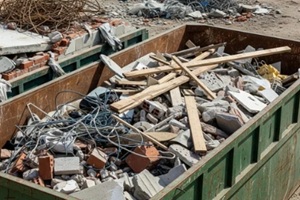
Some items, such as wiring, tires, and batteries, can be taken to designated recycling facilities, as can items with reusable or metal components. Hazardous, medical, or radioactive waste must be handled by specialized crews. This also applies to chemicals, pesticides, oil, and asbestos.
Prohibited materials are not impossible to dispose of, but they are commonly underestimated in terms of their environmental impact, on-site dangers, and potential disposal costs, including time. A minor material contamination can lead to even higher disposal costs, delayed pickups, and extra administration steps. Using city pickup services cannot avoid the issue since Virginia Beach issues fines for disposal code violations.
Experienced local waste disposal teams can help by providing roll-off dumpster rentals. This takes the pressure off handling eco-friendly construction waste removal while you’re busy managing the budget and timeline of your project. Local disposal teams can take care of compliant, safe, and efficient disposal, giving your crew one less area of concern.
Schedule a Dumpster Rental for Construction Debris in Virginia Beach Today
At Full Strut Disposal, our local team is experienced with waste disposal codes in Virginia Beach, as well as the best practices for eco-friendly cleanups involving all types of construction debris. Our roll-off dumpster rentals can be dropped off or picked up with same-day services, helping you keep your project timelines in check. With clear rules and the right waste management provider, construction debris removal can be a surprisingly simple and cost-effective process.
Contact Full Strut Disposal today and schedule dumpster rental services to manage your construction debris removal without unnecessary stress, fines, and hazards.


