
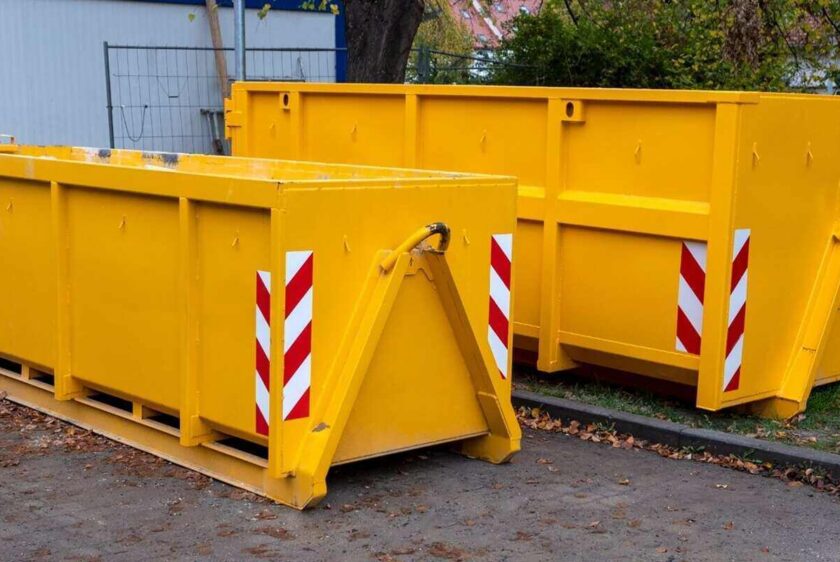
How to Choose the Right Dumpster Size for Construction Projects
Choosing the right dumpster size for construction projects can keep work moving, reduce unnecessary hauling costs, and help crews stay organized throughout every phase of the job. A container that’s too small may require extra pickups, while one that’s oversized can occupy valuable job site space without providing much benefit.
According to the U.S. Environmental Protection Agency, the United States generated approximately 600 million tons of construction and demolition debris in 2018, showing just how much material construction projects produce each year.
| In This Article: Every project creates a different mix of debris, and picking the right dumpster starts long before delivery day. Here’s how project scope, material type, and job site conditions work together to help you make a smart decision before construction begins. |
Start With the Scope of Your Project
The first step in any construction dumpster rental is understanding exactly what your project will produce. Construction, renovation, roof replacement, and demolition projects each produce their own mix and volume of waste.
New construction often creates lumber offcuts, drywall scraps, cardboard, pallets, and packaging materials.
Remodeling projects usually generate a mix of demolition debris and waste from newly installed materials.
Full demolition projects typically fill containers much faster because walls, flooring, roofing, fixtures, and structural materials are all removed.
Project size matters, though debris type often has an even bigger impact. A kitchen remodel may create less waste than a complete roof replacement, even if both projects cover similar square footage.
Volume Isn’t the Same as Weight
Many people choose a dumpster size based on how much debris they expect to load. Volume is important, though weight deserves equal attention.
Heavy materials such as concrete, brick, stone, tile, and asphalt shingles can reach hauling limits long before a dumpster appears full. Wood framing, drywall, insulation, cardboard, and packaging generally occupy much more space while weighing considerably less.
Roofing projects are a helpful example. Asphalt shingles can become surprisingly heavy once several roofing squares are loaded into a container. Concrete removal presents an even greater difference because broken concrete quickly adds thousands of pounds to a load.
When discussing your project with a rental company, explain both the amount of debris and the primary materials being removed. A construction waste dumpster recommendation should account for both.
Understanding Common Roll-Off Dumpster Sizes
Most construction projects use one of several standard roll-off dumpster sizes, although availability varies by company:

- A 15-yard dumpster often works well for smaller renovations, flooring replacement, bathroom remodels, and limited demolition.
- A 20-yard dumpster is a popular option for medium-sized remodeling projects, roofing jobs, deck removal, and residential construction cleanup.
- A 30-yard dumpster typically serves larger home additions, commercial renovations, major cleanouts, and ongoing construction work where debris accumulates over several days.
- A 40-yard dumpster is generally reserved for large commercial construction, major demolition, extensive cleanouts, or projects producing high volumes of bulky materials like wood, drywall, and packaging.
Since container dimensions can vary between manufacturers, it’s always worth confirming the exact measurements before delivery if available space is limited.
Think About Job Site Logistics
Dumpster size affects much more than debris capacity. Placement plays a large role in overall job site waste management.
Delivery trucks need enough room to safely place and retrieve the container. Workers also benefit from having space to open the rear door when loading heavy materials with wheelbarrows or equipment.
A permit may be necessary when the container occupies public street space, sidewalks, or another municipal right-of-way. Planning placement before delivery helps avoid delays once construction begins.
Pickup schedules deserve attention as well. For certain projects, planned container exchanges work better than keeping one extra-large dumpster on-site.
Construction debris removal often works best when disposal keeps pace with the work being completed while keeping the site clear, which aligns with OSHA’s housekeeping requirements for construction sites.
Separate Materials Whenever Possible
Different waste materials may require separate dumpsters based on weight, disposal rules, and processing requirements.
Items such as paint, solvents, chemicals, batteries, electronics, refrigerant-containing appliances, propane cylinders, and asbestos-containing materials often require separate handling under Virginia waste regulations.
Separating recyclable materials can also simplify disposal. Concrete, brick, metal, and clean wood may have recycling opportunities depending on local facilities. Keeping reusable materials out of mixed debris may reduce disposal costs while supporting responsible waste management practices.
If you’re unsure whether a material can be loaded into your dumpster, ask before disposal begins.
Common Dumpster Sizing Mistakes
Construction costs can rise quickly when scheduling, access, materials, or waste needs are planned incorrectly.
Some of the more common issues include:
- Estimating debris based only on square footage
- Forgetting about packaging from new building materials
- Ignoring the weight of roofing, concrete, or masonry debris
- Mixing prohibited materials into the load
- Delaying the pickup request until the dumpster has reached full capacity
- Choosing a container without considering available job site space
A brief scope review before construction begins often catches problems that could become expensive once work is underway.
Choose the Right Dumpster With Confidence
Selecting the right dumpster size for construction projects starts with understanding your debris volume, material types, available space, and project timeline. Asking a few questions before scheduling your construction dumpster rental can help avoid unnecessary hauling costs and keep construction moving on schedule.
If you’re planning construction cleanup services anywhere in the Virginia Beach area, Full Strut Disposal can help you select the right container for your project. Our team will discuss your job scope, recommend an appropriate dumpster, and provide dependable roll-off service that keeps your project moving from start to finish.


