
Common Mistakes to Avoid When Disposing of Construction Debris

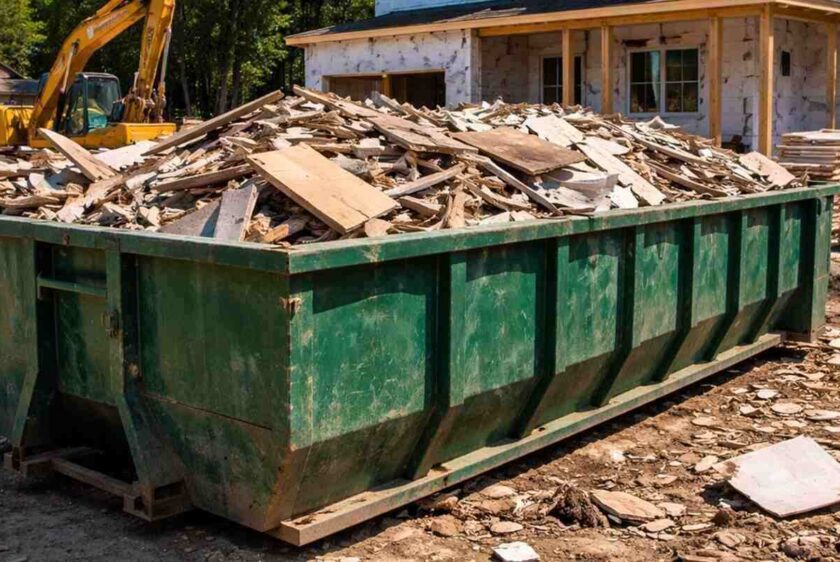
Construction debris removal is one of the fastest ways a project can lose time and money if not planned correctly. A single rejected dumpster, contaminated load, or missed pickup can stall important work, increase hauling costs, and create compliance issues that ripple through the entire schedule.
Contractors and property owners often run into these problems because disposal rules are misunderstood or even treated as an afterthought.
| In This Article: Learn the most common construction debris disposal mistakes that slow projects down, raise costs, and trigger rejected loads, along with practical ways to keep cleanup compliant, efficient, and on schedule. |
Treating All Debris as One Pile Instead of Planning Material Streams
Many projects run into problems by combining all debris into one container rather than separating waste streams.
Although materials such as wood, drywall, concrete, cardboard, and packaging can be mixed together in a container, disposal facilities handle each very differently. Mixed loads are harder to process and often lose access to recycling options.
On active construction sites, separating just a few major materials makes a noticeable difference. Concrete and asphalt usually have recycling outlets, clean wood follows different rules than treated lumber, and cardboard often needs to stay dry and uncontaminated.
Once materials are blended together, facilities may price and process the whole load as trash rather than separating individual components.
Mixing Hazardous Materials With General Construction Debris
Construction debris removal quickly becomes complicated when hazardous or special materials end up in general waste. INstead, hazardous waste determinations must happen at the point where the waste is generated, before any mixing or dilution.
Certain materials tend to create recurring issues during disposal and handling:
- Solvent-based adhesives, coatings, and strippers
- Aerosol cans from finishing or maintenance work
- Containers with leftover chemicals
- Batteries, lamps, and mercury-containing devices
- Lead paint debris or asbestos-containing materials
One overlooked item can contaminate a full dumpster. Disposal facilities often reject these loads, forcing crews to reload, repackage, or reroute waste under tighter rules.
Assuming Homeowner Disposal Rules Apply to Contractor Projects
Homeowners and contractors are often subject to a variety of different standards, rules, and assumptions. Household waste programs often allow certain items that commercial projects cannot discard in standard dumpsters.
Contractors generating waste as part of business operations usually have added responsibilities tied to documentation, handling, and disposal locations.
The mismatch typically emerges when past DIY habits are applied to contractor-level work. For instance, a waste stream that worked during a home remodel may cause rejection or compliance issues on a commercial job.
Knowing who qualifies as the material generator and which regulations apply can prevent last-minute scope or cost changes.
Mishandling Lead-Based Paint Debris on Older Buildings
Work on buildings constructed before 1978 frequently raises concerns related to potential lead paint disturbance.
Lead-containing debris becomes problematic when chips, dust, or components are not properly isolated and controlled. Loose debris can spread beyond the work area and turn a controlled task into a cleanup problem.
Best practices usually include sealing waste in bags or containers and using covered roll-off dumpsters. Disposal facilities may ask for specific handling steps before accepting the load.
Managing lead-related debris as a separate waste stream helps prevent delays and keeps other work on schedule.
Overlooking Asbestos Risks During Demolition and Renovation
Asbestos is another material subject to stringent requirements for its handling and disposal, with the primary goal of preventing its release into the air.
Problems often start when demolition begins before surveys confirm whether suspect materials are present. Once asbestos enters a general debris container, the entire load may become noncompliant.
Jobs that run smoothly typically plan for surveys, abatement, and sealed transport well before demolition starts. That planning avoids rejected loads and protects workers and nearby properties from exposure concerns.
Tossing Universal Waste Items Into Dumpsters Without Thinking
Universal waste rules cover materials that appear regularly during construction and tenant improvements. Common examples include aerosol cans, batteries, thermostats, and fluorescent lights.
When these items are crushed or mixed into debris, facilities may flag the load or require special handling. Separating universal waste usually takes little effort once crews know what to watch for.
Sending Treated Wood or Drywall to the Wrong Disposal Outlet
Treated wood often looks similar to clean lumber, yet disposal rules vary based on treatment type. Burning treated wood is widely restricted, and many recycling or mulch operations refuse it; assuming it can go wherever clean wood goes leads to rejected loads.
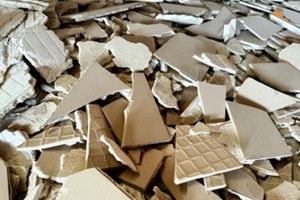
Drywall presents different challenges, as large quantities in landfills can create odor issues under certain conditions. Wet drywall becomes heavier and harder to manage, raising hauling costs. Whenever possible, separating drywall opens up additional processing options across a variety of different areas.
Simplify Construction Debris Removal on Your Next Project
Construction debris removal is most effective when disposal considerations are addressed at the same time as overall project planning. For projects in the Virginia Beach area, working with a local provider that offers same-day service and straightforward scheduling can simplify cleanup and reduce downtime.
At Full Strut Disposal, we help contractors and property owners avoid delays, rejected loads, and surprise costs by keeping waste removal simple and fast. Our team works directly with jobsite managers and homeowners to match the right roll-off dumpster to your project, explain what can go in it, and schedule service that keeps work moving.
If you need dependable construction debris removal in the Virginia Beach area, get a free, no-pressure quote. You can also call 757-805-5749 to speak with our local team and get pricing that stays competitive, with no hidden fees.


